

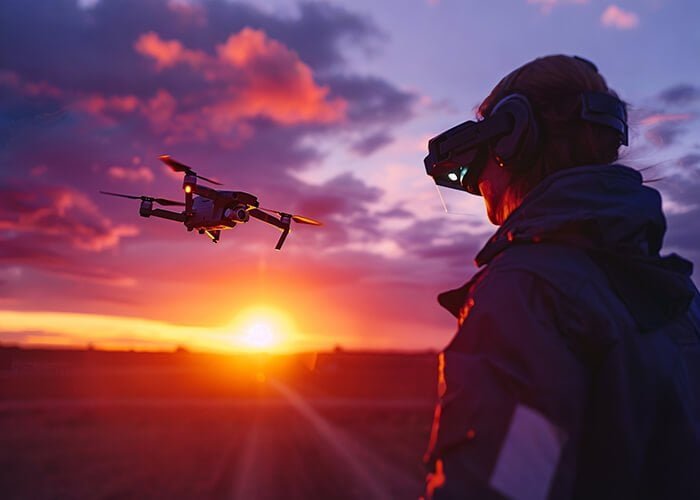
The world of FPV drones is filled with jargon. Choosing the wrong type means wasting money and failing your mission. The main types are defined by their flight style: Freestyle, Racing, and Cinematic/Long-Range.
The main difference between FPV drone types is their purpose. Freestyle drones are for acrobatic tricks, racing drones are for pure speed, and cinematic or long-range drones are for smooth footage and extended flight times. Each requires a different design and power system.
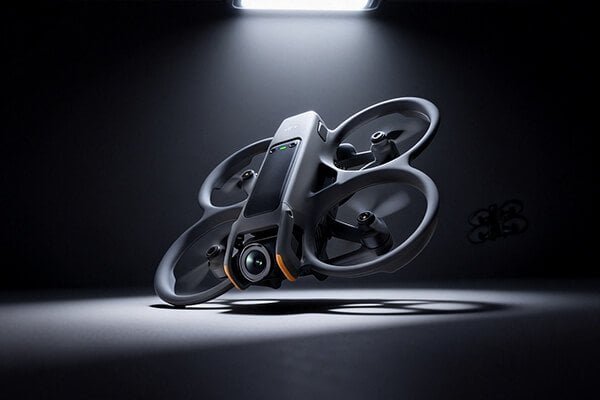
As a battery manufacturer, this is a question I discuss often with clients like Omar, who need to source the right platform for a specific job. The choice isn't just about the frame; it defines the motors, propellers, and most importantly, the battery required for mission success. FPV, or "First-Person View," means the pilot sees what the drone sees through a camera and goggles. This immersive experience is what allows for the incredible agility these drones are known for. Let's dive into what makes each type unique.
What Defines a Freestyle FPV Drone?
You want to capture dynamic, exciting video, but you don't need to win a race. A racing drone is too twitchy, and a cinematic drone is too slow.
A freestyle drone is an acrobatic platform designed for creative flight and capturing dynamic video. It balances power, durability, and control, making it the most versatile and popular FPV drone type for enthusiasts and content creators.

Think of a freestyle drone as a flying skatepark. Its purpose is not to get from point A to point B the fastest, but to perform complex tricks and maneuvers along the way. These drones are built to be expressive tools, combining the art of flight with aerial photography.
The "Do-It-All" Platform
Most freestyle drones use a 5-inch propeller size, which is considered the "sweet spot" for a great balance of agility, speed, and flight time. Their frames are designed to be extremely durable to withstand the inevitable crashes that come with learning new tricks. They are agile enough to flip, roll, and dive through tight gaps, but stable enough to capture usable footage on a mounted action camera like a GoPro. This versatility makes them the go-to choice for the majority of FPV pilots who want a single drone that can do a bit of everything. Power systems are typically robust, often using 6S LiPo batteries to provide the instant power needed for acrobatic maneuvers.
What Makes a Racing Drone Built for Speed?
You're on the track and every millisecond counts. Any extra weight or lag could mean the difference between first and second place. You need a purpose-built machine for pure speed.
A racing drone is a lightweight, high-power FPV quadcopter stripped of everything non-essential to be as fast and agile as possible. Its design prioritizes an extreme thrust-to-weight ratio and minimal video latency for competitive performance.
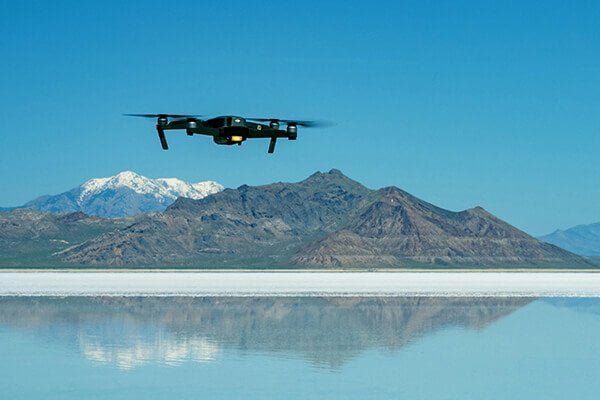
A racing drone is the "Formula 1" car of the sky. Its sole purpose is to complete a course of gates and obstacles in the shortest possible time. Speeds can exceed 200 km/h, and acceleration is instantaneous. To achieve this, every component is chosen with weight and performance in mind. The frames are typically lightweight "X" configurations to centralize mass for sharp, responsive cornering. They rarely carry a heavy HD camera, relying only on the low-latency FPV camera to guide the pilot.
All About Efficiency and Power
The power system is critical. Pilots often use high-KV motors paired with high-performance 6S LiPo batteries that have a very high C-rating. These batteries must be able to deliver massive amounts of current instantly without voltage sag. Flight times are short, often just 2-3 minutes, because the focus is entirely on maximum power output, not endurance. For a racer, the difference between a good battery and a great battery is felt in every corner and straightaway.
| Feature | Freestyle Drone | Racing Drone |
|---|---|---|
| Primary Goal | Creative tricks & video | Maximum speed & agility |
| Frame Design | Durable, slightly heavier | Ultra-lightweight, minimalist |
| Typical Size | 5-inch propellers | 5-inch propellers |
| Carries HD Camera? | Yes (e.g., GoPro) | No, FPV camera only |
| Battery Priority | Balanced capacity & power | Maximum power delivery (high C-rating) |
When Is a Cinematic or Long-Range Drone the Right Tool?
You need to get a perfectly smooth shot tracking a moving car, or you want to fly to the top of a mountain miles away. A freestyle drone is too shaky, and a racing drone has no flight time.
A cinematic or long-range drone is built for stability and endurance. These drones carry heavier cameras or larger batteries to capture smooth, high-quality footage or fly for extended periods over long distances.
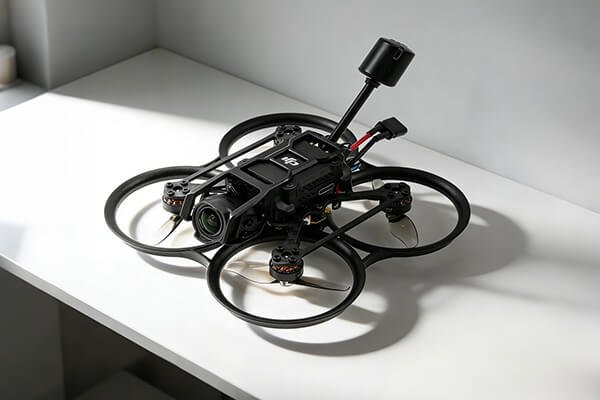
This category is about achieving specific types of shots or flight profiles that freestyle and racing drones can't. It splits into two main sub-types:
Cinewhoops and Cinematic Drones
These are designed to get smooth, stable footage. "Cinewhoops" are a popular type, characterized by their small size (usually under 4 inches) and propeller ducts. These ducts make them safer to fly close to people and objects, perfect for real estate tours or action shots. They are not fast or acrobatic, but are designed to be flying tripods that can move through tight spaces. They prioritize stability and safety over raw power.
Long-Range Drones
As the name implies, these drones are built for endurance. They typically use larger frames (7-inch or more) with bigger, more efficient propellers and low-KV motors. They are designed to carry large-capacity batteries, sometimes even Lithium-Ion packs instead of LiPo, to achieve flight times of 15, 20, or even 30+ minutes. The goal is to explore remote locations far from the pilot, so they are always equipped with a GPS module for safety and return-to-home functionality.
Conclusion
The right FPV drone depends entirely on your mission. Freestyle is for creative flight, racing is for speed, and cinematic or long-range is for stable footage and endurance.