

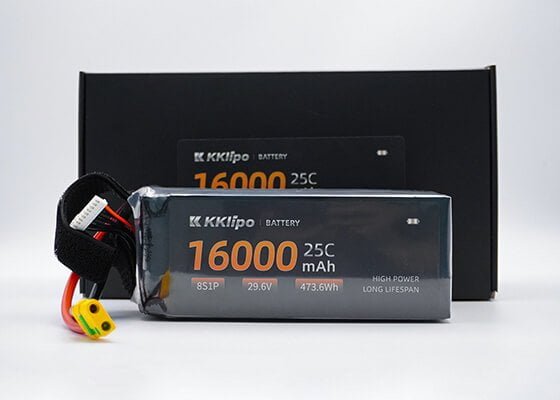
Operating drones in extreme heat like the Middle East? High temperatures can destroy your batteries, leading to costly replacements, failed missions, and serious safety risks like fires.
To store drone batteries in hot climates, keep them in a cool, dry place between 22-28°C (72-82°F). Maintain a storage charge of 40-60% and use a fire-resistant LiPo bag or box. Never leave them in direct sunlight or a hot car.
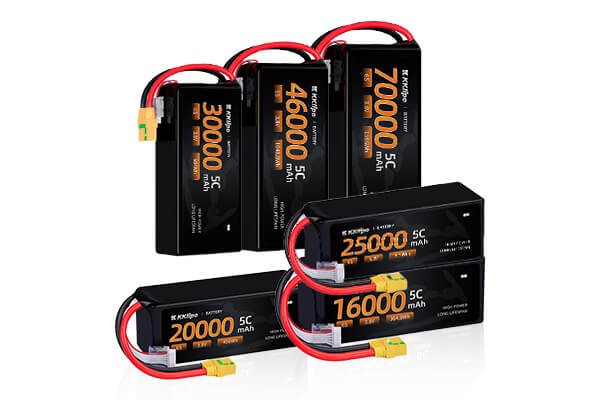
As a manufacturer, we understand that for professionals like Omar, managing a fleet of drones in the UAE or Jordan, battery health is mission-critical. The intense heat of the region isn't just a minor inconvenience; it's a primary factor in battery degradation and failure. Simply following the basic rules isn't enough; you need a robust strategy. Let's explore the specifics of what that strategy looks like.
What's the Ideal Environment for Battery Storage in Extreme Heat?
Leaving a battery in your vehicle for convenience seems harmless. But in a Middle Eastern summer, the inside of a car can reach 80°C (176°F), turning that battery into a ticking time bomb.
The ideal storage environment is an indoor, climate-controlled space kept between 22-28°C (72-82°F) with humidity below 60%. It must be away from direct sunlight and clean to protect connectors from sand and dust, which are common regional challenges.
We can't stress this enough to our clients: your storage location is your first line of defense against heat damage. Heat is a battery's worst enemy because it dramatically speeds up the internal chemical reactions, leading to faster degradation and a shorter lifespan. Finding or creating the right space is a non-negotiable part of professional drone operations in hot climates.
Temperature and Sunlight Control
The 22-28°C range is the sweet spot for preserving a LiPo battery's health. Any higher, and the internal cells begin to degrade at an accelerated rate. Never store batteries near a window, in a garage, or any room that gets direct sun. The goal is to find the coolest, most stable location possible. An air-conditioned office or a dedicated storage closet is perfect. If you must transport batteries in a vehicle, use an insulated cooler box (without ice) to shield them from the extreme cabin heat during the journey.
Managing Humidity and Dust
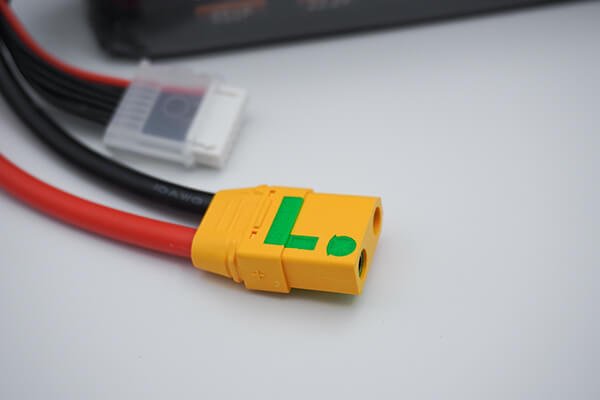
While much of the Middle East is dry, coastal areas can have high humidity. Humidity can cause the metal contacts on your battery to corrode, leading to a poor connection and potential power failures in flight. Dust and sand are even bigger issues. If fine sand gets into the connectors, it can block a solid connection or even cause a short circuit. Always use the protective plastic caps that come with your batteries to seal the connectors when not in use. Store them in a clean, dust-free box or cabinet.
How Should You Manage the Battery's Charge Level for Storage?
You've just finished a mission and have several fully charged batteries left. Storing them as-is seems efficient, but it's one of the fastest ways to permanently damage them.
For any storage longer than a day, bring your battery's charge level to between 40-60%. This is the "storage charge." Never store a battery fully charged (100%) or completely empty, as both extremes cause irreversible chemical damage.
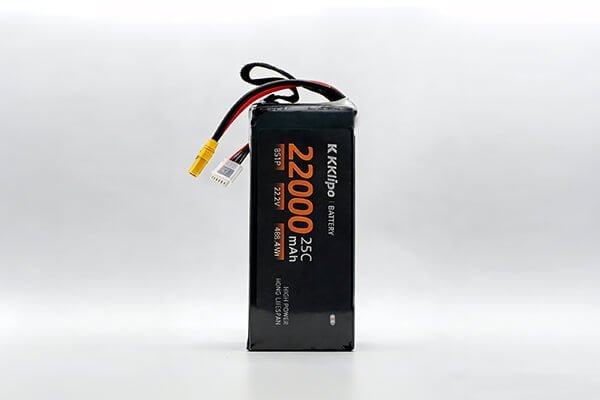
Think of a fully charged battery as a compressed spring—it's under constant stress. Leaving it in that state, especially in high heat, is like leaving that spring compressed in an oven. The internal chemistry degrades rapidly, leading to reduced capacity and swelling. We often have to explain to procurement managers that improper storage voltage is a leading cause of premature battery failure, which directly impacts their operational budget and fleet readiness.
The "Why" Behind Storage Voltage
A lithium polymer cell is most stable at around 3.85 volts, which corresponds to that 40-60% charge level. At full charge (4.2V), the cell's chemistry is highly active and prone to degradation. If left empty (below 3.0V), the cell can enter a state of deep discharge from which it may never recover. Using a smart charger with a dedicated "Storage" function is the easiest way to hit this target perfectly. This simple step can easily double the effective lifespan of your batteries.
Smart Batteries vs. Standard LiPos
Many modern drone systems, especially from brands like DJI, use "smart batteries." A key feature of these is their ability to self-discharge. If you leave a smart battery fully charged, after a set number of days (usually adjustable in the app), it will automatically begin to slowly discharge itself down to a safe storage level. This is a fantastic feature for busy operations. However, for standard LiPo batteries used in FPV or custom industrial drones, this process must be done manually. You have to be disciplined about using your charger to set every battery to storage voltage before putting it away.
What Safety Precautions Are Essential for Storing Batteries?
You've controlled the temperature and set the right charge level, but is your inventory truly secure? One battery failure could ignite others, leading to a catastrophic fire that destroys equipment and threatens your facility.
Always store drone batteries inside a fire-resistant LiPo bag, ammo can, or a dedicated battery bunker. Keep them separated from flammable materials like paper or wood, and ensure the terminals are covered to prevent accidental short circuits.
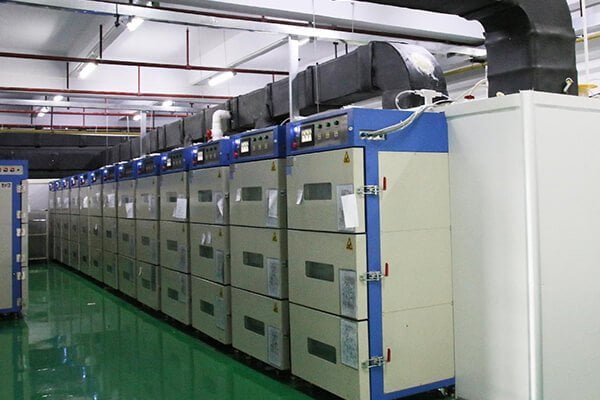
Physical containment is your final and most critical safety layer. While rare, LiPo battery fires are intense and difficult to extinguish. This is why we build multiple safety redundancies into our battery packs, but proper storage protocols are a shared responsibility. You must assume that any battery could fail at any time and store it accordingly.
Containment is Your Insurance Policy
A LiPo-safe bag is made from fire-resistant materials designed to contain the flames and intense heat of a battery fire, venting the smoke and gasses in a controlled way. They are an incredibly cheap and effective piece of safety equipment. For larger fleets, many operators use metal ammo cans (with the rubber seal removed to prevent pressure buildup) or specialized battery bunkers. The goal is to physically isolate the batteries so that if one fails, it doesn't start a chain reaction.
Preventing Accidental Short Circuits
A short circuit happens when a metal object touches both the positive and negative terminals of the battery at the same time, causing a massive and uncontrolled energy discharge. This can easily happen if a battery is loose in a toolbox with screws, tools, or keys. This is why using the plastic terminal caps is so important. It creates a physical barrier. When storing multiple batteries together, ensure they can't shift and touch each other's terminals.
| Safety Action | Why It's Critical | Best Practice |
|---|---|---|
| Use LiPo Bags/Boxes | Contains a potential fire, preventing it from spreading. | One or two batteries per bag. Never overfill. |
| Cover Terminals | Prevents accidental short circuits from metal objects. | Always use the original plastic caps or electrical tape. |
| Separate from Flammables | Reduces the fuel available if a fire does occur. | Store on a metal shelf or concrete floor, not a wooden one. |
| Inspect Before Storing | A damaged battery is a high-risk battery. | Check for swelling, dents, or frayed wires after every flight. |
Conclusion
In hot climates, proper battery storage is not optional; it's essential for safety, longevity, and mission success. By controlling temperature, managing charge levels, and using safe containment, you protect your valuable assets.