


Your drone fleet's batteries are a constant, expensive replacement item. This high turnover eats into your budget and operational uptime, directly impacting your bottom line.
Solid-state batteries offer a significantly longer cycle life, typically exceeding 1000 cycles, compared to 300-500 for standard lithium-ion. This is due to their stable solid electrolyte, which prevents the chemical degradation that limits traditional liquid-based cells.
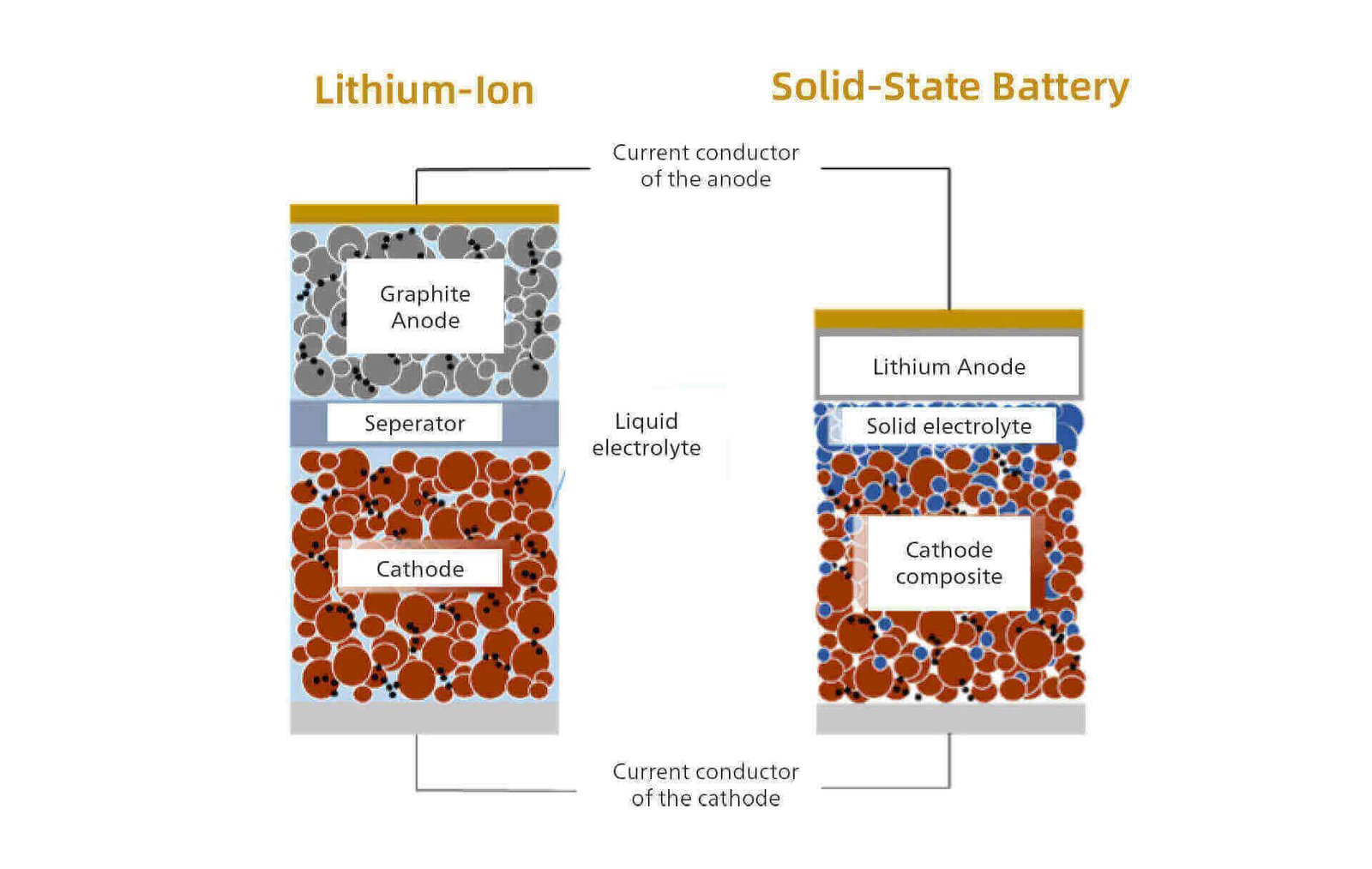
I speak with procurement managers every day, and they often see batteries as a disposable commodity with a high turnover rate. But that view is changing. The true cost of a battery isn't its initial purchase price; it's the total cost of ownership over its entire lifespan. A battery that costs more upfront but lasts three or four times as long represents a massive long-term saving. To understand why solid-state offers a better return on investment, we need to look at why your current batteries are failing in the first place.
Why Do My Current Drone Batteries Wear Out So Fast?
You budget for new batteries, but they degrade faster than expected. This makes performance unpredictable and forces you to hold excess inventory, tying up your capital.
Traditional lithium-ion batteries wear out because their liquid electrolyte breaks down over time. Repeated charging creates tiny, sharp structures called dendrites, which damage the battery internally. This process permanently reduces capacity and eventually leads to failure.
The problem is not your maintenance schedule; it's the fundamental chemistry inside the battery. A traditional lithium-ion battery is filled with a volatile liquid electrolyte. Every time you charge and discharge it, ions travel back and forth through this liquid. This process is not perfect. It causes small, irreversible side reactions that slowly degrade the battery's internal components. The most damaging of these is the formation of lithium dendrites. Think of them as microscopic, sharp metal splinters that grow on the electrode surface. Over hundreds of cycles, these dendrites can grow long enough to pierce the internal separator, causing a short circuit and killing the battery. This is why you see a noticeable drop in flight time after just a few hundred flights. High power demands from a drone and extreme temperatures in the field only make this process happen faster.
What Makes Solid-State Batteries Last So Much Longer?
You need a battery that delivers consistent performance for years, not months. The high turnover rate of traditional batteries is simply not scalable for serious industrial use.
The solid electrolyte in these batteries acts as a stable, impenetrable barrier. It physically blocks the formation of dendrites, which is the primary cause of degradation in liquid cells. This fundamental stability allows for thousands of charge cycles without significant capacity loss.
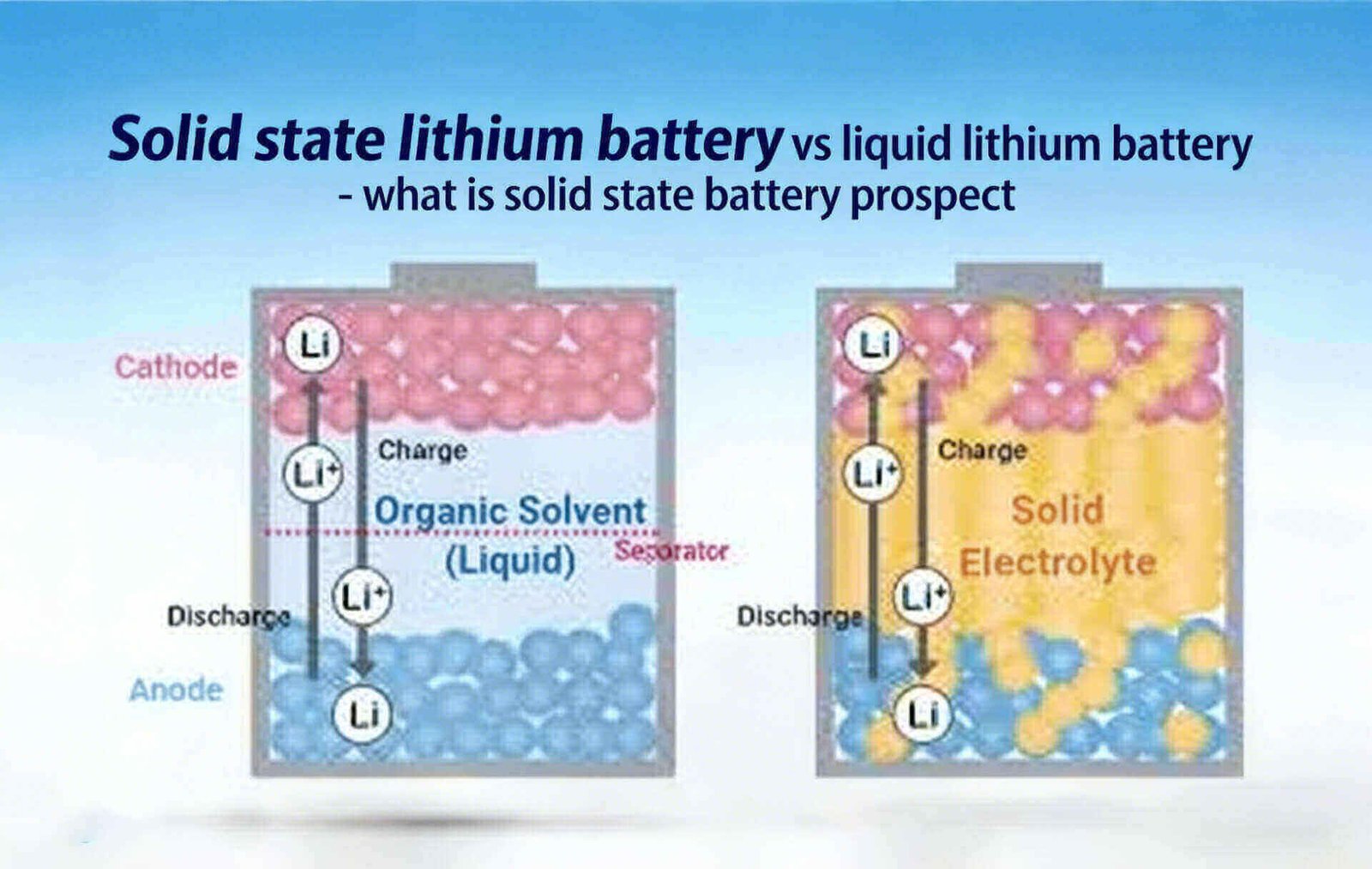
If the liquid electrolyte is the weak point in a traditional battery, the solid electrolyte is the source of strength in our advanced cells. We replace the unstable liquid with a specially engineered solid material. This solid layer is incredibly stable and structurally robust. It serves the same function of allowing ions to pass through, but it does so without breaking down. More importantly, its physical structure acts as a wall that prevents dendrites from forming and growing. By stopping the primary cause of degradation before it even starts, we can dramatically extend the battery's life. This is not a small improvement. It means the battery you buy today will still be a reliable, high-performance asset for your fleet in two or three years, not a liability you need to replace.
How Many Cycles Can I Realistically Expect From Each Technology?
You see claims of thousands of cycles, but you need to know what to expect in the field. A battery's true value is its performance under your operational conditions, not in a lab.
Expect around 300-500 cycles from a standard commercial drone battery before significant capacity loss. With solid-state technology, you can realistically plan for over 1000 cycles under similar use conditions, giving you a 3-4x longer operational life.
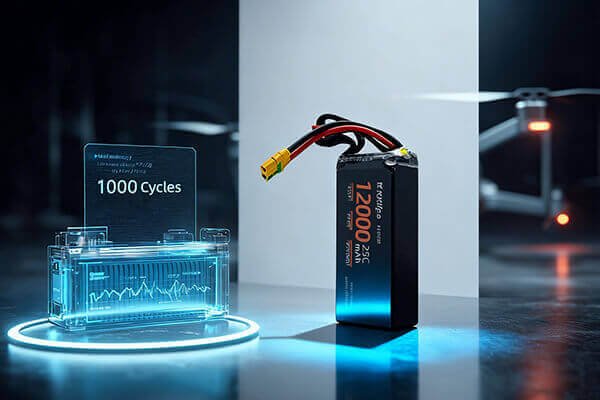
It's crucial to look beyond the marketing numbers and focus on the total cost of ownership. A battery's cycle life directly impacts your operational budget. While a solid-state battery has a higher initial cost, its drastically longer lifespan means the cost per flight is significantly lower. Let's look at a direct comparison to understand the long-term financial impact. We're not just comparing specs; we're comparing the long-term value and reliability for your drone program. This shift from a disposable to a long-term asset model is where the real savings are found for a large-scale operation. You spend less time and money on procurement and more time flying missions.
| Parameter | Traditional Li-Ion | KKLIPO Solid-State | Impact on Your Total Cost of Ownership |
|---|---|---|---|
| Typical Real-World Cycles | 300–500 | 1000+ | 3-4x fewer battery purchases over time |
| Primary Failure Mode | Dendrite Growth & Liquid Breakdown | Minimal Degradation | More predictable performance and lifespan |
| Long-Term Value | High turnover, recurring cost | Long-term asset | Lower cost-per-flight, higher ROI |
Conclusion
Solid-state's longer cycle life means fewer replacements. This lowers your total cost of ownership and increases the long-term profitability of your entire drone fleet.