

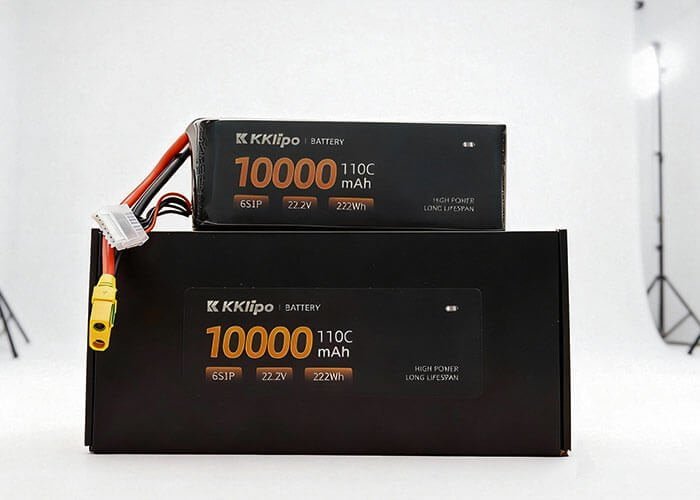
Choosing a drone battery is a balancing act. A higher C rating promises more power, but is it always the best choice for your fleet? Picking the wrong one can lead to sluggish performance or wasted money.
A higher C rating is better for power-demanding applications, as it provides more explosive power and less voltage sag. However, this comes at the cost of increased weight and price, so the best C rating is one that matches your drone’s actual power needs.
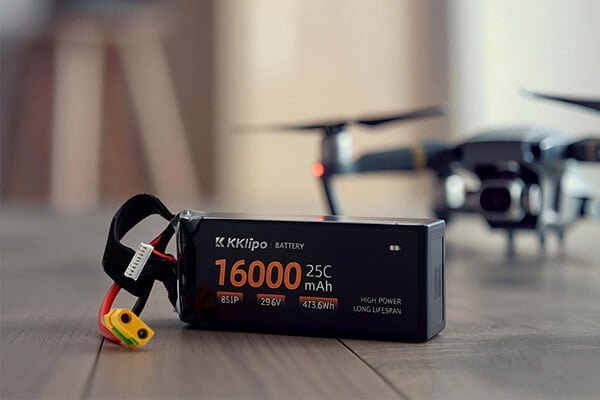
As a battery manufacturer, we see this question constantly. The C rating is one of the most important, yet most misunderstood, specifications on a battery. Operators often believe that "more is always better," but the reality is far more nuanced. To make the right procurement decision for your fleet, you first need to understand what that 'C' number actually represents in the real world.
What Exactly Does a Battery's C Rating Tell You?
You see specs like "75C" or "120C" advertised on batteries. But what do these numbers really mean for your drone's performance in the field, and how do you translate them into practical data?
The C rating is a multiplier for a battery's maximum safe continuous discharge rate. To find the current in amps, you multiply the battery's capacity in amp-hours (Ah) by its C rating. It is a direct measure of how fast the battery can deliver its energy.
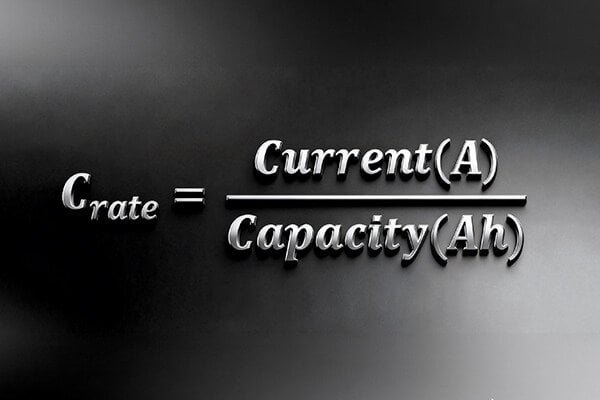
Let's break this down with a simple example. Imagine you have a 5,000mAh (which is 5Ah) battery. The "C" in C rating refers to this capacity.
| C Rating | Calculation | Max Continuous Current (Amps) | Analogy |
|---|---|---|---|
| 1C | 1 x 5Ah | 5 Amps | A slow, steady flow. |
| 20C | 20 x 5Ah | 100 Amps | A strong, powerful flow. |
| 100C | 100 x 5Ah | 500 Amps | A massive, instant burst of power. |
A 1C rating means the battery can be fully discharged in one hour. A 20C rating means it can be discharged in 1/20th of an hour (3 minutes). For a drone, which requires huge bursts of power for take-off, climbing, and fighting wind, a high discharge rate is essential. The C rating tells you if the battery can safely provide the amperage your motors are demanding without damaging itself or failing mid-flight.
Why Would You Want a Higher C Rating Battery?
Your drone struggles to climb quickly or fight against strong winds. This lack of responsiveness can feel unsafe and could even put an expensive payload or an entire mission at risk.
A higher C rating provides the instant power your drone needs for demanding situations. This results in quicker acceleration, stable voltage under heavy load, less heat generation, and a more responsive, reliable flight performance overall.

Think of the C rating as the "horsepower" of your battery. Here are the key benefits:
- More Punch: The most obvious advantage is power on demand. For applications like agricultural spraying, aggressive cinematic shots, or public safety operations, the drone needs to respond instantly. A high C rating ensures the motors get all the current they need for rapid climbs and maneuvers.
- Reduced Voltage Sag: When you demand a lot of power from a battery, its voltage temporarily drops, or "sags." If it sags too much, the drone's flight controller might trigger a low-battery failsafe and force a landing. Higher C rating batteries typically have lower internal resistance, which means they hold a more stable voltage even under extreme load.
- Less Heat, More Efficiency: Lower internal resistance also means less energy is wasted as heat during discharge. A cooler-running battery is a healthier and more efficient battery, preserving its lifespan and ensuring more of its stored energy goes to the propellers.
What Are the Downsides of Chasing the Highest C Rating?
It is tempting to simply buy the battery with the highest C rating on the label. But this "more is better" approach can be a costly mistake that actually hurts your drone's overall performance.
The main trade-offs for a higher C rating are increased weight, a larger physical size, and a higher purchase price. Over-specifying the C rating means you carry unnecessary weight, which reduces flight time and can offer no real performance benefit for your specific aircraft.

As a procurement manager, you must weigh these factors carefully.
| Factor | Consequence of Excessively High C Rating |
|---|---|
| Weight & Size | To achieve higher discharge rates, batteries need thicker internal components, making them heavier and bulkier. Weight is the number one enemy of flight time. Adding weight for power you don't use is counterproductive. |
| Cost | The materials and construction required for high-C batteries are more expensive. You end up paying a premium for performance capabilities that your drone's motors and ESCs may never actually demand. |
| Capacity Trade-off | For a given battery weight, there is often a trade-off between capacity (mAh) and C rating. You might have to choose between a heavier 100C battery or a lighter 75C battery with more capacity and thus longer flight time. |
The key is to match the battery to the system. Calculate the maximum current draw of your drone's motors and select a C rating that comfortably exceeds that demand, with a safety margin of 20-30%. Anything beyond that provides diminishing returns.
Conclusion
A higher C rating is not always better. The best choice balances power with weight and cost, matching your specific drone's needs for optimal flight performance and operational efficiency.