


Your engineering team is excited about semi-solid state batteries, but your desk is full of supplier proposals that look identical. How do you separate marketing hype from manufacturing reality?
Most semi-solid cells are based on the same technology platform. The best suppliers are not those with the fanciest spec sheets, but those with superior manufacturing agility, proven high-density breakthroughs, and unwavering integrity from sample to mass production.
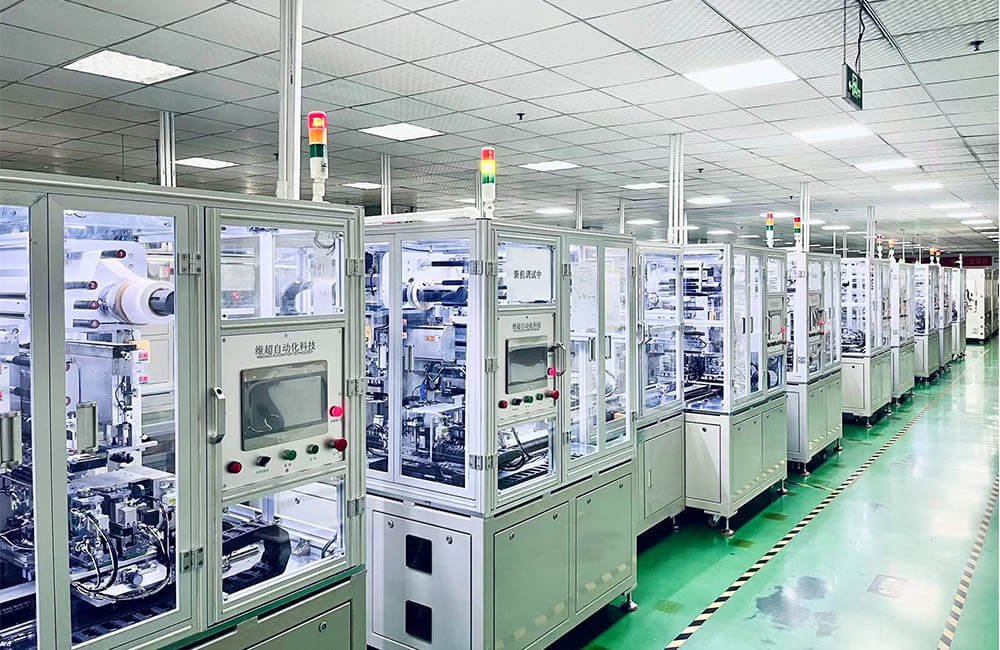
I've spent a decade in the trenches of the Chinese battery supply chain, and I can tell you this: don't be fooled by a catalog. When you are sourcing for a major project, you are not just buying a component. You are investing in a partner's ability to deliver on their promises at scale. The difference between the top companies manufacturing semi solid state drone batteries lies in their operational excellence, not their marketing. This guide will provide a realistic breakdown of the landscape to help you make a strategic decision.
Who Are the Real Leaders in the Semi-Solid Drone Battery Market?
You see dozens of suppliers claiming to be leaders. This makes it impossible to create a reliable shortlist, wasting valuable time in the procurement process and risking project delays.
The market is divided into three tiers: the high-rate specialist (Grepow), the standard-tier volume players (Xingtuo, etc.), and the agile high-density specialist (KKLIPO). Understanding their core focus is key to choosing the right partner.
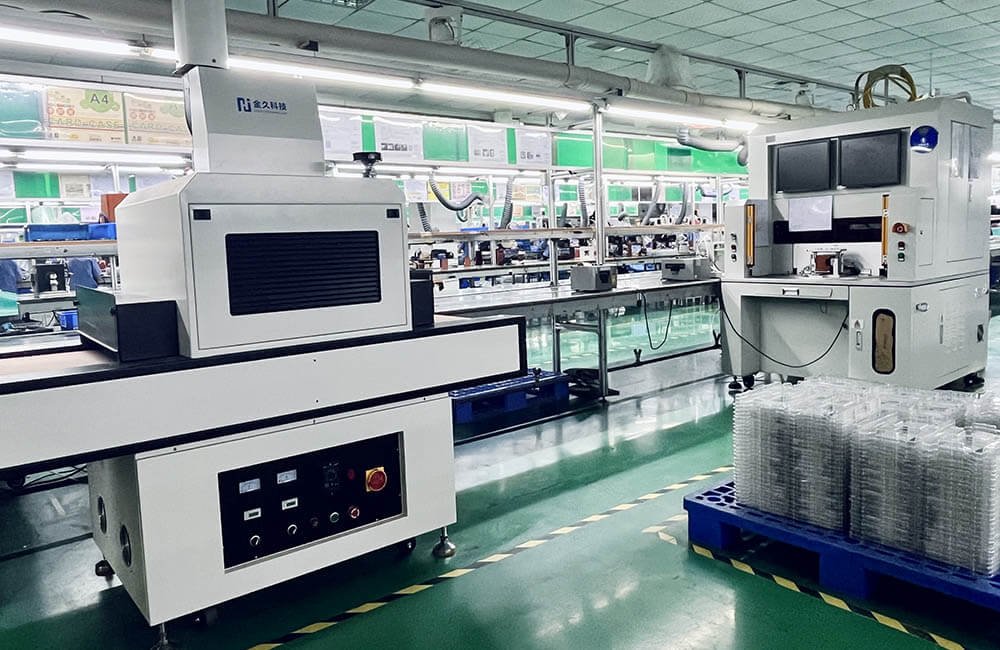
As a procurement professional, your first step is to categorize potential suppliers based on their true specialization, not their self-proclaimed status. Each tier serves a different purpose, and matching your project's needs to the right tier is the most critical decision you'll make. I've personally vetted dozens of factories, and they almost always fall into one of these distinct categories. Let's break down who they are and what they can realistically offer your project.
Grepow (Tattu): The High-Rate King with a Semi-Solid Compromise
There is no argument that Grepow is the undisputed leader in high-discharge-rate batteries. Through their Tattu brand, they dominate the FPV and high-power application market. Their equipment, processes, and engineering experience are all finely tuned for one thing: delivering maximum current. However, this focus on high-rate performance is also their weakness in the semi-solid space. Their manufacturing lines are not optimized for maximizing energy density. As a result, their semi-solid offering is adequate but not exceptional, topping out at 360Wh/kg. If you need standard performance, they are a known entity. If you need a competitive edge in flight time, you must look elsewhere.
The Standard Tier: Xingtuo, Changyun, Chaohang, & Hongdian
These companies form the backbone of the Chinese semi-solid market. They are the primary participants, and their cells reliably deliver energy densities in the 320Wh/kg to 340Wh/kg range. They are a safe, predictable choice for projects that do not require pushing the boundaries of endurance. For a procurement manager looking for a standard, off-the-shelf solution, these suppliers can deliver. However, if your mission profile demands the lightest possible weight or the longest possible airtime, their technology will become a limiting factor for your platform.
KKLIPO: The End-to-End Agile Manufacturer
KKLIPO has deliberately positioned itself to solve the core problems faced by serious procurement managers. They focus on two key areas: breaking through the energy density ceiling and delivering with unparalleled speed at any scale. While they produce the standard 320Wh/kg and 340Wh/kg cells, their key advantage lies in their exclusive high-density offerings of 350Wh/kg, 400Wh/kg, and a breakthrough peak of 480Wh/kg.
For a drone using a 480Wh/kg battery, this means a weight reduction of over 60% and a volume reduction of over 50% compared to a standard battery of the same capacity. This translates into a flight endurance increase of more than 150%. For teams trying to find suppliers of long-endurance drone battery solutions, this is a game-changing metric that directly impacts mission success.
How Can You Guarantee Fast Delivery and Production Integrity?
You've found a great technology, but the supplier is either too slow for prototyping or lacks the capacity for your million-unit order. This bottleneck threatens to derail your entire project timeline.
KKLIPO's "Dual-Speed Delivery" model solves this by offering No-MOQ rapid prototyping for R&D and leveraging powerful production scheduling for fast, large-scale ramp-up, ensuring consistency from the first sample to the final unit.
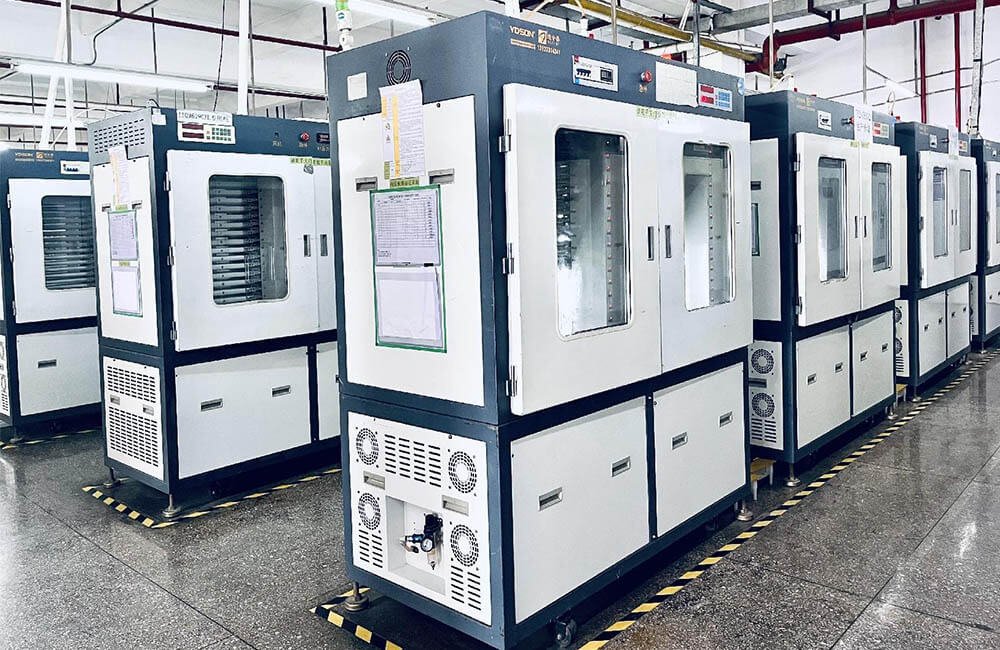
This operational agility is, in my opinion, KKLIPO's most significant advantage. It breaks the classic procurement curse: "Big factories are slow and rigid; small factories have no capacity." Here’s how it works in practice. During your R&D and validation phase, KKLIPO functions like a nimble, custom shop. They provide No MOQ (No Minimum Order Quantity) custom samples, allowing your engineers to iterate quickly. Once your design is finalized, their system transitions to mass production. Their mastery of source-line scheduling allows for a mass production ramp-up & delivery speed that traditional, bureaucratic factories simply cannot match. This ensures you get to market faster.
The Insider's Warning: Avoiding the 3% Capacity Trap
Beyond speed, integrity is paramount. A dishonest tactic I’ve seen many times is what I call the "3% Capacity Trap." A supplier will provide a perfect 30Ah sample to win your contract. But to cut costs on the bulk order, they will secretly produce 29Ah cells. The performance difference is small enough that it often goes unnoticed, dismissed as environmental variation or accepted as a negative tolerance. This is why it is critical to identify reliable brands for high-density drone energy storage that are also the source manufacturer. A partner like KKLIPO guarantees that the performance of the millionth unit is 100% identical to the approved sample, protecting your product's reputation and your bottom line.
Conclusion
Choosing the right semi-solid battery partner is about more than a spec sheet. It requires evaluating their technological ceiling, manufacturing agility, and fundamental business integrity.
Explore our complete range of high-density cells on our Semi-Solid State Drone Battery Solutions Page. Contact us for a quote that includes tiered pricing and our industry-leading delivery timelines.