


We are used to smart everything—smartphones, smart cars, smart homes. But most pilots are still flying with "dumb" batteries that tell you nothing until they fail.
Smart drone batteries with app integration transform your power source from a simple energy tank into an intelligent data node. By connecting to an app, these batteries provide real-time health diagnostics, precise flight time predictions, automated maintenance alerts, and fleet management capabilities. This leads to safer flights, longer battery lifespans, and optimized operational workflows.
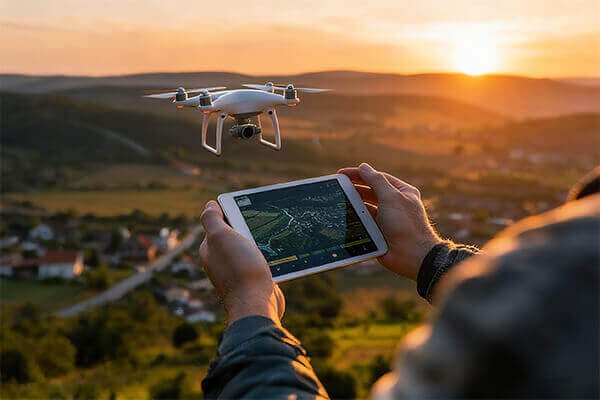
As a manufacturer, we recognize that battery failures—often preventable—are a major cause of drone crashes, rather than pilot error. By connecting your battery to an app, we’re introducing a game-changing solution that enhances safety, predicts maintenance needs, and optimizes drone operations.
How does app integration improve flight safety and reliability?
You wouldn't drive a car that only had a gas gauge but no check engine light. Why fly a drone that only shows total voltage?
An integrated app allows you to see the "health" of your battery, not just its charge level. It provides cell-level monitoring, alerting you to imbalances or internal resistance issues before you take off. This predictive maintenance prevents mid-air power failures caused by a bad cell.
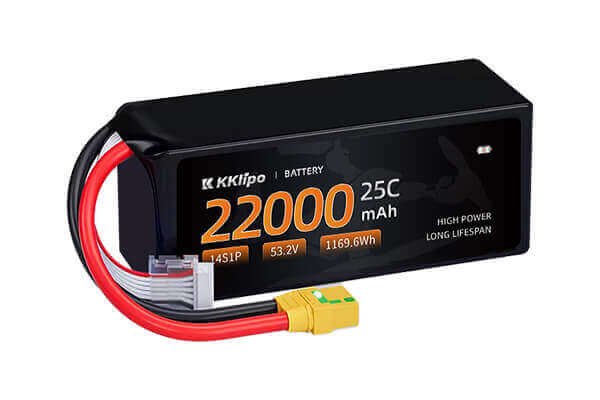
The "Black Box" of Battery Health A standard LiPo battery is a black box. You charge it, fly it, and hope it works. A smart battery communicates directly with your tablet or phone.
- Cell Imbalance Detection: The app will flag if Cell #3 is sagging faster than the others—a classic sign of impending failure.
- Internal Resistance (IR) Monitoring: As batteries age, their IR goes up. The app tracks this trend and can ground a battery automatically if it becomes unsafe for high-current maneuvers.
- Pre-Flight Self-Check: Before you even arm the motors, the app runs a diagnostic check on temperature and voltage stability, giving you a "GO/NO-GO" signal.
For a procurement manager like Omar, this safety feature is invaluable. It reduces liability and protects expensive payloads by ensuring no drone takes off with a compromised power pack.
Can a smart battery actually lower your operating costs?
Batteries are expensive consumables. Replacing them prematurely wastes money, but pushing them too far risks a crash. How do you find the sweet spot?
Smart batteries extend their own lifespan through automated storage maintenance and precise cycle tracking. The app guides you to discharge batteries to a safe storage voltage if they haven't been used, preventing swelling and degradation. It also tracks cycle counts, allowing for data-driven replacement schedules rather than guesswork.

The "Storage Kill" Problem The #1 killer of LiPo batteries is being left fully charged for weeks. Smart batteries solve this:
- Auto-Discharge: If you charge a battery for a job that gets cancelled, the smart BMS will automatically discharge itself to a safe storage level (e.g., 3.85V) after a set number of days.
- Cycle Counting: The app records every charge and discharge cycle. Instead of guessing, you know exactly when a battery hits 300 cycles and needs to be retired to training duty.
Fleet Management For commercial teams, the app acts as an inventory manager.
- Asset Tracking: You can see which batteries are fully charged and ready for the day.
- Usage Rotation: The system can suggest which battery to use next to ensure even wear across your entire fleet, maximizing your total investment.
How does data integration optimize mission planning?
When you are mapping a 500-acre site, "about 20 minutes" of flight time isn't precise enough. You need actionable data.
Smart apps replace rough estimates with precise flight time predictions based on current conditions. The battery communicates its real-time capacity and discharge rate to the flight controller, adjusting the remaining flight time calculation based on wind, payload weight, and temperature.

Dynamic Endurance Calculation Standard drones guess flight time based on voltage. Smart systems calculate it based on energy consumption (Wh).
- Environmental Context: If you are flying into a headwind, the battery sees the increased amp draw and instantly recalculates the "Return to Home" time, ensuring you don't get stranded.
- Temperature Compensation: In cold weather, battery capacity drops. A smart battery knows its own core temperature and derates the available capacity in the app, preventing you from overcommitting to a long flight path.
Compliance and Reporting For professional surveyors or inspectors:
- Digital Logbook: The app automatically logs the battery serial number used for each flight. This is crucial for audit trails and insurance claims if an incident occurs.
- Firmware Updates: Just like your phone, the battery can receive over-the-air (OTA) updates to improve charging algorithms or safety parameters, getting better over time.
Conclusion
Smart drone batteries with app integration enhance safety through real-time diagnostics, extend lifespan via automated maintenance, and optimize missions with precise data. They turn a consumable part into a managed asset.