

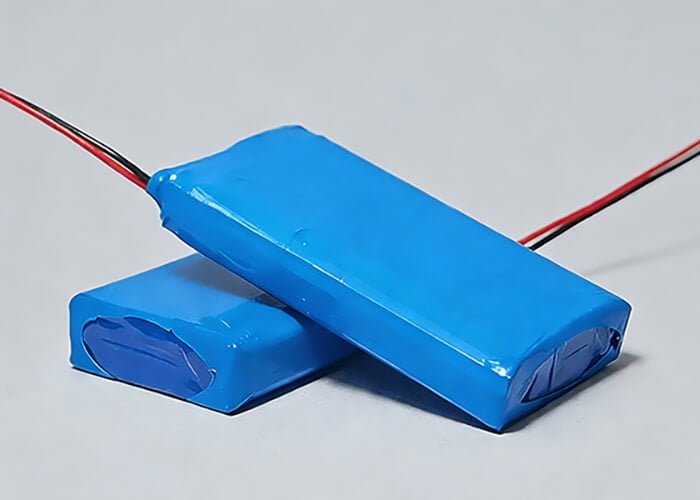
Worried a bad battery could crash your drone? A sudden failure mid-flight means lost equipment and compromised safety. Knowing the warning signs is the key to preventing disaster.
The best way to spot a failing battery is to look for physical signs like swelling, cracks, or damaged connectors. You should also monitor performance for shorter flight times, sudden power drops, or app warnings. Replace any battery with physical damage immediately.
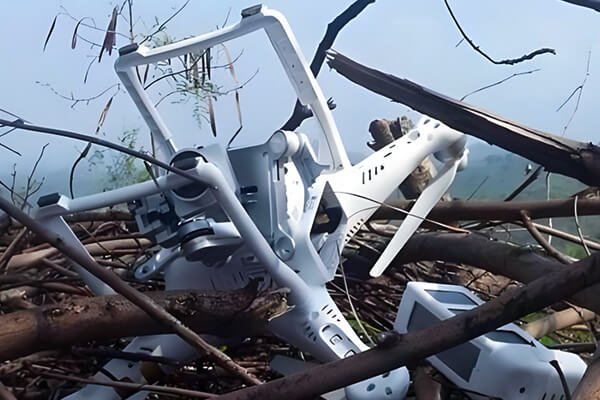
These signs seem straightforward, but understanding the details behind them is crucial. As a manufacturer, we see firsthand how a small issue can become a big problem. For procurement managers and operators who manage large fleets, knowing exactly what to look for is not just about safety—it's about operational integrity. Let's dig deeper into the specific signs you need to watch for.
What Physical Warning Signs Should You Look For?
Think a small dent on your battery is harmless? Even minor physical damage can cause internal shorts, leading to fires or catastrophic failure. A simple visual check is your first defense.
The most critical physical sign is swelling or puffiness. You must also check for any cracks or damage to the casing. Finally, inspect the connectors for dirt, oxidation, or looseness, as these can cause sudden power loss during flight.
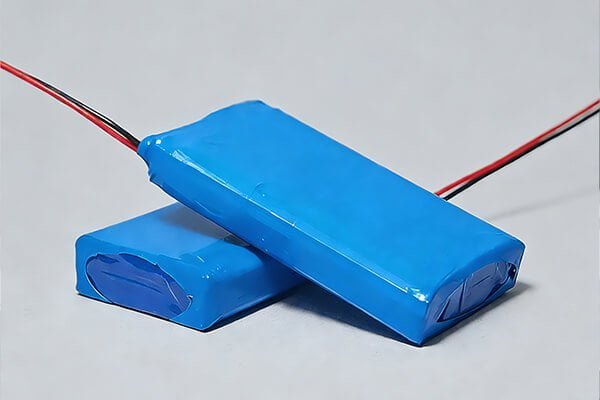
At KKLIPO, we stress that physical integrity is non-negotiable. A battery's exterior protects the delicate and volatile chemistry inside. Any compromise to that protection is a serious risk.
The Danger of a Swollen Battery
A swollen or "puffy" battery is the most dangerous sign of all. This happens when the internal lithium cells degrade and release gas. This gas buildup means the battery's internal structure is compromised and unstable. It has a much higher risk of short-circuiting or even catching fire, whether it's in use, charging, or just sitting on a shelf. If you see any swelling, no matter how small, the battery is no longer safe. It must be decommissioned and disposed of safely right away. There are no second chances with a swollen battery.
Inspecting the Casing and Connectors
You should also regularly check the battery's hard case for cracks, dents, or punctures. An impact from a rough landing can cause unseen internal damage that a broken case might hint at. The connectors are just as important. Dirty, corroded, or loose-fitting connectors can interrupt the flow of power. This can cause anything from poor performance to a complete, sudden power cutoff mid-flight, which would be disastrous for any mission.
How Does Poor Performance Signal a Dying Battery?
Is your drone's flight time shorter than it used to be? This isn't just an inconvenience; it can ruin missions and lead to unexpected, risky landings far from your home point.
A key performance sign is a major drop in flight time, often 20-30% less than a new battery. Other signals include sudden voltage drops from a high percentage to nearly empty, or if your app shows a voltage imbalance between cells greater than 0.1V.
All batteries are consumables, and their performance will naturally decline over time. However, a sharp decline or unpredictable behavior is a sign that the battery is no longer reliable. As a solutions provider, we help clients like Omar, a procurement manager in the Middle East, track these metrics to ensure fleet reliability in extreme temperatures where battery health is even more critical.
Understanding Voltage Imbalance
In your drone's app, you can usually see the voltage of each individual cell in the battery pack. In a healthy battery, these voltages should be very close to each other. If you see a persistent difference of more than 0.1V between the highest and lowest cell, the battery is unbalanced. This means some cells are weaker than others, causing the entire pack to be unstable and inefficient. The weak cell will drain faster, leading to a sudden drop in overall power.
The Problem with Sudden Power Drops
This is one of the most dangerous performance failures. Your drone might report 40% battery life, and then seconds later, it drops to 5% and initiates an emergency landing. This is sometimes called "phantom power." The battery reports a charge that isn't really there. This happens when a battery's internal resistance gets too high with age. It can't deliver the power the drone needs under load, causing the voltage to collapse. This is a clear sign the battery is at the end of its life.
What Are the Absolute Triggers for Replacing a Battery?
Do you ever wonder if you can get just one more flight out of an old battery? Pushing your luck risks your drone, your payload, and your mission's success for the small cost of a replacement.
You must replace your battery immediately if it has any physical swelling. Other non-negotiable triggers include experiencing a sudden power drop in flight, or receiving a "battery damaged" warning from the drone's smart battery system. These are critical safety issues.
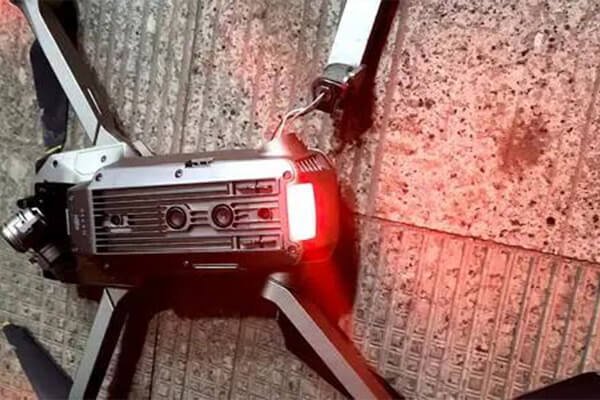
Establishing clear, simple rules for battery replacement is essential for any professional operation. We work with clients to create these protocols because safety and reliability are paramount. Guesswork has no place here. Based on our experience, certain conditions demand immediate action. If you see any of these signs, the decision is already made: the battery must be retired. Below is a simple guide to help you make the right call every time.
| Trigger for Replacement | Risk Level | Recommended Action |
|---|---|---|
| Physical Swelling/Puffiness | Critical | Immediately stop use. Safely discharge and dispose. |
| Sudden Power Drop in Flight | Critical | Immediately stop use. The battery cannot be trusted again. |
| "Battery Damaged" App Alert | High | Trust the system. The battery's internal monitor has detected a fatal flaw. |
| High Cycle Count (200+) & Poor Performance | Medium | The battery is past its prime. Relegate to non-critical use or retire. |
| Degradation from Long Storage | Medium | If stored improperly for 6+ months, test carefully. Likely unreliable. |
A battery's cycle count is a useful guide, but it's not the only factor. A battery with 50 cycles that was stored improperly can be more dangerous than a well-maintained battery with 200 cycles. Always consider performance and physical condition first.
Conclusion
A failing drone battery always shows warning signs. Never risk a flight with a swollen, damaged, or unstable battery. Always prioritize safety and replace it to protect your drone.