


You’ve seen it before: a battery that has puffed up like a pillow. You know it’s a critical failure and a serious safety risk, but what exactly happened inside to cause this?
A battery swells because of gas generation from unwanted chemical reactions inside the cell. This is most often triggered by overcharging, overheating, physical damage, or an internal manufacturing defect, which causes the internal pressure to build up.
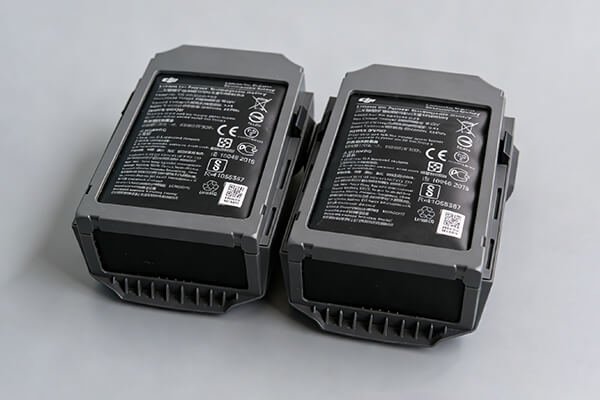
This swelling is the most obvious visual sign that a battery has failed and is no longer safe to use. It’s not just a cosmetic issue; it's a physical indication that the internal chemistry has become unstable. As someone responsible for sourcing and managing high-performance batteries for industrial drones, understanding the root causes is the first step toward preventing a dangerous and costly failure in the field.
Is It My Charger or the Environment That's Killing My Batteries?
You follow the proper procedures, but a battery in your inventory swells up anyway. It's a frustrating situation that makes you question your equipment and operating conditions.
Overcharging is the most direct cause of gas buildup, but operating in a high-temperature environment dramatically accelerates all the chemical reactions that lead to swelling. It is often a combination of both factors.

I've worked with many clients who operate in extreme climates, like the high heat of the Middle East. High ambient temperature is the single biggest environmental enemy of a lithium battery. It acts as an accelerator for all the negative chemical processes that can happen inside. Think of it this way: the battery already generates its own heat during charging and discharging. When you add high external heat to that, you are pushing the internal chemistry closer to its tipping point. Overcharging, even by a small amount, is the trigger that pushes it over the edge, causing the electrolyte to break down and release gas. This is why using a properly calibrated, high-quality charger is non-negotiable.
Here is how these external factors contribute:
| Factor | How It Causes Swelling |
|---|---|
| Overcharging | Pushing the voltage past 4.2V causes the electrolyte to oxidize and break down, releasing gas and heat. |
| High Temperature | Accelerates all internal chemical reactions, including the ones that generate gas, even under normal use. |
| Over-Discharging | Draining the battery too low can damage the negative electrode. When you recharge it, this can lead to unstable conditions and gas. |
Can a Battery Swell Even With Perfect Handling?
You do everything by the book. You use the right charger, store batteries correctly, and never operate in extreme heat. Yet, one day, you find a swollen battery. How is this possible?
Yes, a battery can swell even with perfect use. This is almost always due to an internal manufacturing defect, contamination during production, or simply the natural process of aging after many charge cycles.
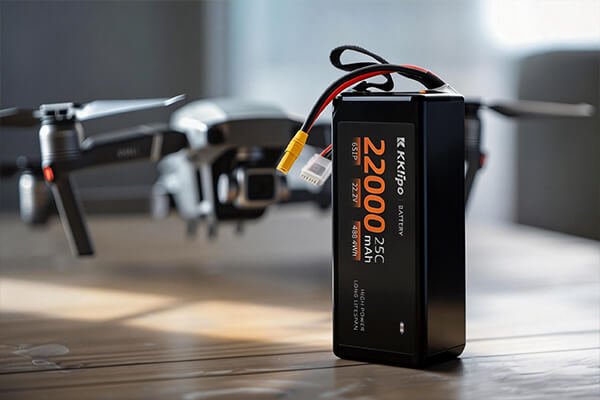
This is a point I stress with all our partners. Your handling protocols are only half the equation; the other half is the quality of the battery you start with. As a procurement manager, this is your biggest challenge and your biggest area of risk. A single flaw at the microscopic level can lead to failure months later. This is why our factory operates under strict ISO-certified systems. We know that preventing these issues starts on the production line.
Hidden Causes of Swelling
Here are some internal issues that can cause a battery to swell:
-
Manufacturing Defects: If the layers inside the battery are not perfectly aligned or if the electrode coating is uneven, it can create "hot spots" during use. These spots can trigger the gas generation process over time.
-
Contamination: Even a microscopic particle of dust or a tiny trace of moisture sealed inside the battery during manufacturing can be enough to set off a slow, parasitic chemical reaction that eventually produces enough gas to cause swelling.
-
Natural Aging: No battery lasts forever. With every charge and discharge cycle, a tiny amount of the battery's electrolyte is consumed in side reactions. Over hundreds of cycles, this can lead to a gradual buildup of gas and an increased internal resistance, making the battery more prone to swelling, especially near the end of its life.
How Do I Prevent Swelling and What's the First Step When It Happens?
You understand the causes, but now you need a practical action plan. What is the standard operating procedure for preventing this, and what is the immediate protocol when a swollen battery is found?
Prevent swelling by using certified chargers, avoiding extreme temperatures, and storing batteries at a 50% charge level. If a battery swells, immediately stop using it, do not charge it, and isolate it in a fire-safe location.
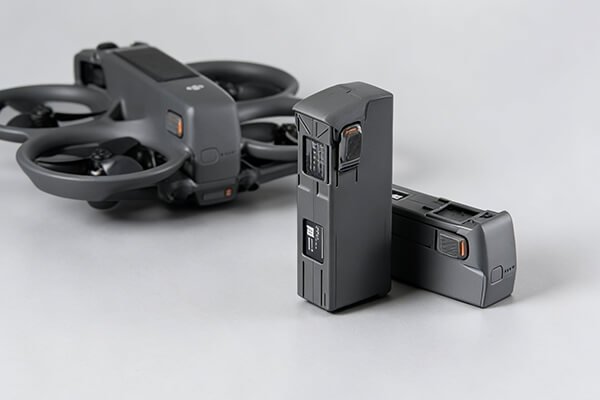
Safety and reliability are paramount for any professional drone operation. Having a clear set of rules for prevention and response is not optional. It protects your equipment, your personnel, and your mission. We advise all our clients to implement a strict battery management protocol.
A Practical Protocol
Prevention Checklist:
- Always use the original or a high-quality, certified charger specifically designed for your batteries.
- Never leave batteries charging unattended for long periods.
- Avoid operating, charging, or storing batteries in direct sunlight or in hot vehicles.
- Do not drain batteries completely to 0%. Try to land your drone with at least 15-20% charge remaining.
- For long-term storage (more than a week), charge or discharge the batteries to a storage level of approximately 50% (around 3.8V per cell).
Response Protocol for a Swollen Battery:
- STOP: Immediately stop using the battery. Do not attempt to charge it or discharge it. Do not try to "fix" it.
- ISOLATE: Carefully move the battery to a safe, fireproof location away from any flammable materials. A concrete floor or a metal bucket with sand is ideal.
- DISPOSE: Contact a local hazardous waste disposal facility or a specialized battery recycling center to dispose of it properly. Do not throw it in the regular trash.
Crucial Warning: Never, under any circumstances, attempt to puncture or compress a swollen battery to release the gas. The contents are under pressure and highly flammable. A puncture can lead to an immediate and violent fire.
Conclusion
Battery swelling is caused by gas from internal chemical breakdown, triggered by misuse, heat, or defects. Strict prevention protocols and safe handling of failed batteries are critical for operational safety.