

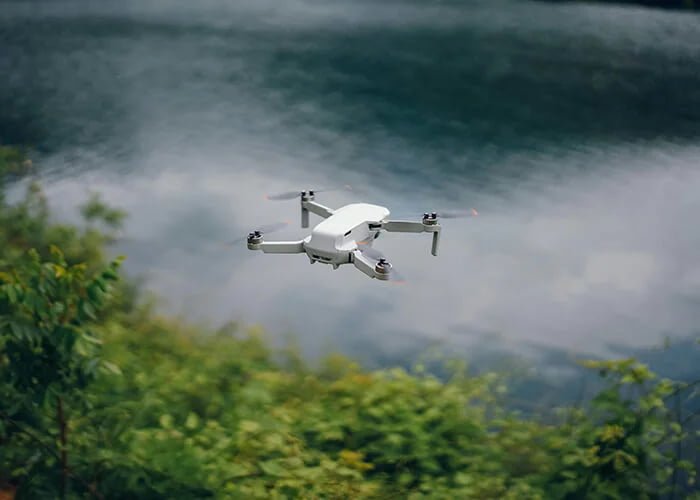
You read that a drone has an "average" flight time of 30 minutes, but in the field, you're getting half that. This inconsistency makes it impossible to plan missions or trust your equipment.
There is no single "average." Consumer drones typically fly for 25-45 minutes. Professional industrial drones can range from 15 minutes with a heavy payload to over an hour, while specialized fixed-wing models can fly for many hours.
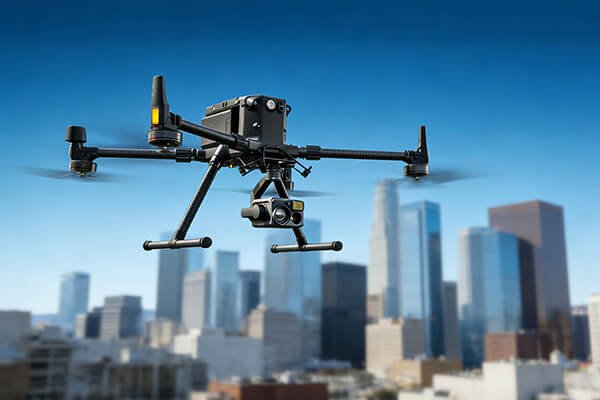
As a battery solutions provider, this is the most common question I get. And my answer is always the same: "average" is a misleading number. For a procurement manager like Omar, relying on a vague average is a recipe for operational failure. The drone's design, its mission, and its power source are what truly determine its flight time. To make an informed decision, you have to stop thinking about averages and start looking at specific categories.
But Isn't 30 Minutes the Standard for Most Drones?
You buy a popular drone expecting 30-40 minutes of airtime. But after a few flights, you realize that number is rarely achievable, leaving you frustrated and short on time.
The 30-45 minute flight time advertised for consumer drones is a maximum, achieved in perfect, no-wind conditions with no extra payload. Real-world flight time is almost always shorter due to environmental factors.
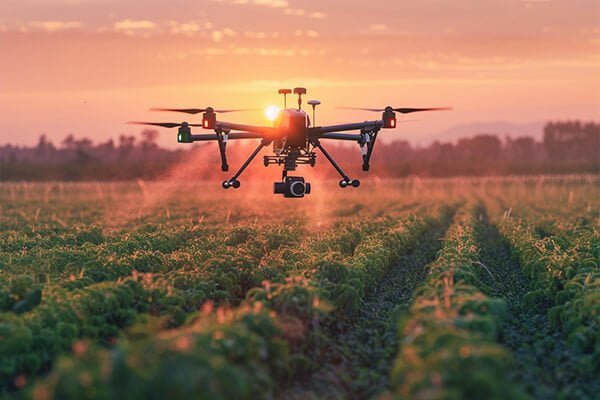
This is a marketing reality you must understand. When a company like DJI tests a consumer drone for its spec sheet, they do it in a controlled environment. There is no wind, the temperature is optimal, and the drone is flying at a steady, "economic cruise" speed. As a procurement manager, you know your operations are never this perfect. Recording high-resolution video, using obstacle avoidance sensors, and simply hovering all consume extra power. The 30-45 minute figure is a useful baseline, but you must budget for a real-world flight time that is likely 20-30% less than the number on the box.
| Drone Type | Typical Advertised Flight Time | Real-World Expectation | Primary Use |
|---|---|---|---|
| Consumer/Prosumer | 30 - 45 Minutes | 25 - 35 Minutes | Photography, Videography, Recreation |
| FPV / Racing Drone | 5 - 10 Minutes | 3 - 7 Minutes | High-Speed, Acrobatic Flying |
| Toy / Mini Drone | 8 - 15 Minutes | 5 - 10 Minutes | Entertainment, Indoor Flying |
What About Drones for Professional Work Like Inspections or Agriculture?
You need a drone for a heavy-duty job, like carrying a thermal camera or a tank of pesticides. But a standard drone's battery dies almost instantly with that much weight.
Industrial multi-rotor drones have flight times that are highly dependent on payload. A drone might fly for 50 minutes empty, but only 15 minutes when carrying a heavy sprayer, making battery-swapping a key part of the workflow.
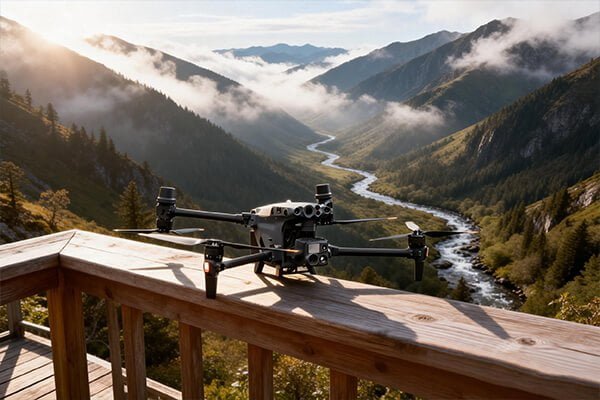
For professional applications, the mission defines the drone's design and its resulting flight time. This is where we at KKLIPO spend most of our time—designing custom solutions for specific tasks. For agricultural drones, the goal is to maximize the area covered per flight. This means carrying a heavy liquid payload, which drastically reduces airtime. For example, a large agricultural drone might only fly for 10-15 minutes, but in that time it can cover a huge area. The operational model relies on having multiple batteries ready, a fast-charging station, and a workflow built around rapid swaps. For inspection drones carrying LiDAR or other heavy sensors, the same trade-off applies. The value is in the data collected, not necessarily the flight duration itself.
| Industrial Drone Mission | Key Challenge | Typical Flight Time | Power Solution Strategy |
|---|---|---|---|
| Agricultural Spraying | Very Heavy Liquid Payload | 10 - 20 Minutes | Rapid Battery Swapping, Field Charging Stations |
| LiDAR Surveying | Heavy Sensor Payload | 25 - 40 Minutes | High-Capacity Batteries, Efficient Flight Planning |
| Power Line Inspection | Moderate Sensor Payload | 40 - 60 Minutes | High-Energy-Density Batteries |
How Do Some Drones Fly for Hours or Even Days?
You hear about drones used for border patrol or large-scale mapping that stay in the air for hours. This seems impossible compared to the multi-rotor drones you are used to.
Long-endurance drones use two key technologies: they fly like airplanes (fixed-wing), which is far more energy-efficient, and they often use power sources with higher energy density than batteries, like gasoline or hydrogen.
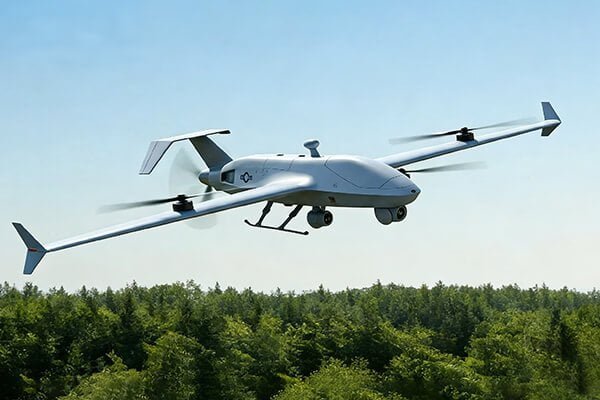
These aircraft are in a completely different class. They solve the endurance problem by changing the fundamental physics and chemistry of flight. Instead of using brute force from four or more rotors to stay aloft, they use wings to generate lift, just like a conventional airplane. This is dramatically more efficient. While a multi-rotor drone fights gravity every second, a fixed-wing drone glides, using its motor primarily for forward thrust. This aerodynamic advantage is the main reason for their extended flight times. To go even further, many of these platforms move beyond battery-only systems, which is a key area of innovation for the entire industry.
Energy Systems for Long Endurance
| Power Source | How It Works | Why It Extends Flight Time |
|---|---|---|
| Fixed-Wing Design | Uses wings for lift, gliding through the air. | Cruising flight can use 5 to 10 times less energy than a multi-rotor drone hovering. |
| Oil/Gas Hybrid | A small gasoline engine runs a generator that powers electric motors and recharges a small battery. | Gasoline has a much higher energy density than lithium batteries, allowing for hours of flight. |
| Hydrogen Fuel Cell | Hydrogen reacts with oxygen to produce electricity, with water as the only byproduct. | Hydrogen offers a superior energy-to-weight ratio compared to batteries, enabling very long flights. |
Conclusion
There is no "average" drone flight time. It ranges from minutes to hours, determined by the drone's design and mission. Define your needs first, then find the right technology to match.