

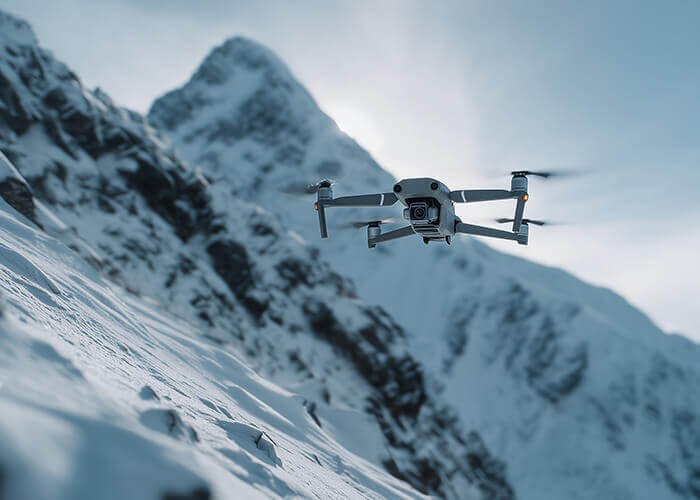
Replacing batteries constantly is a huge operational cost. Your fleet's performance suffers when standard batteries degrade quickly in the extreme heat or cold of your operational area.
In harsh weather, solid-state batteries have a significantly longer lifespan than traditional LiPo batteries. They are engineered for stability, reliably delivering 800-1000+ cycles while retaining high capacity, even in the extreme temperatures found in the Middle East and Russia.

As a battery solutions provider, I speak with procurement managers from all over the world. A manager from the UAE recently told me, "Cycle life in a lab is meaningless. I need to know the cycle life in 50-degree summer heat." He is absolutely right. Real-world lifespan isn't just a number; it's about reliable performance under the stress of your actual environment. Traditional batteries fail this test. Let's look at why solid-state technology is built to succeed where others fail.
Will Desert Heat Kill My Solid-State Batteries?
Your standard LiPo batteries are swelling and dying in the summer heat. Every grounded drone is a potential contract lost, and every replacement battery is an unbudgeted expense.
No. Solid-state batteries operate safely and effectively in high temperatures up to 60°C. Their solid electrolyte does not degrade or cause thermal runaway like liquid, ensuring a much longer and safer operational life in hot climates.
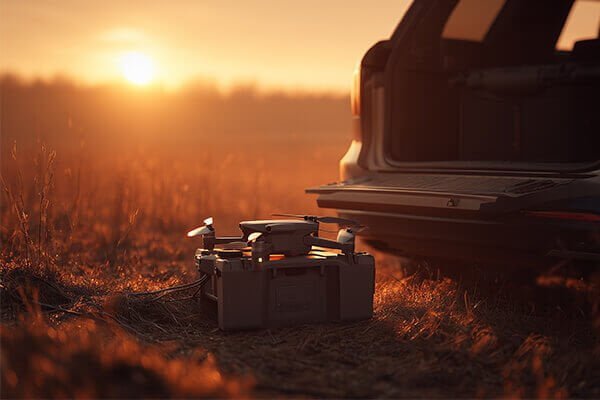
The number one enemy of a traditional battery in a hot climate is its own internal chemistry. The liquid electrolyte starts to break down in high heat. This process generates gas, which is why you see batteries swell up like a balloon. This swelling is a clear sign that the battery is damaged and unsafe. Worse, the heat dramatically increases the risk of thermal runaway—an uncontrollable fire. Solid-state technology eliminates this fundamental weakness. Our batteries use a solid electrolyte that is chemically stable even at 60°C. It doesn't produce gas, it doesn't swell, and it is non-flammable. This means that instead of degrading with every hot day, the battery maintains its structural integrity and performance, giving you a reliable asset you can count on all year round.
| Feature | Traditional LiPo | KKLIPO Solid-State | Impact in Hot Climates |
|---|---|---|---|
| Max Safe Temperature | ~45°C | 60°C | Enables safe operation in peak summer. |
| Thermal Runaway Risk | High | Extremely Low | Dramatically improves safety for assets and personnel. |
| Degradation in Heat | Fast | Slow & Predictable | Provides a much longer, more reliable service life. |
Do Solid-State Batteries Still Work in Freezing Conditions?
Your drone fleet is grounded for the entire winter. Your operational window is cut in half, severely impacting your annual revenue and contract fulfillment capabilities in colder regions.
Yes, they perform exceptionally well. Solid-state chemistry maintains high performance down to -40°C. Unlike liquid electrolytes that thicken and lose power, our batteries provide the consistent output needed for reliable, year-round operations in freezing climates.
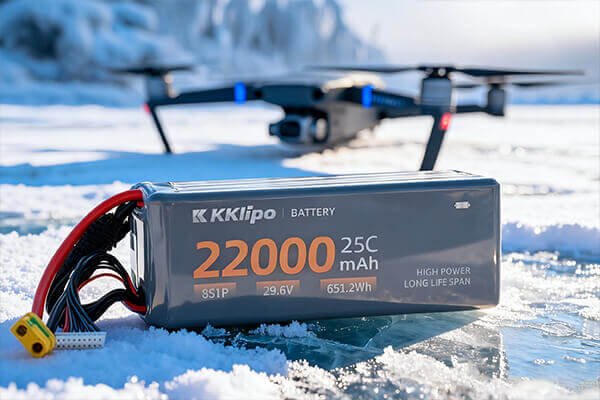
In the cold, the liquid electrolyte inside a standard battery becomes thick, like molasses. This slows down the movement of ions, which starves your drone's motors of power. You see a dramatic drop in voltage, significantly reduced flight times, and a high risk of the drone simply falling out of the sky. This makes winter operations in places like Russia almost impossible with traditional technology. We designed our solid-state batteries specifically to solve this problem. The solid electrolyte's structure allows ions to move efficiently even at -40°C. The battery’s internal resistance stays low, so it can deliver the high-current discharge your drone needs for takeoff and flight. You no longer have to stop working for three to four months a year. Instead, you get a fleet that can fly reliably from the heat of a Dubai summer to the depths of a Siberian winter.
| Feature | Traditional LiPo | KKLIPO Solid-State | Impact in Cold Climates |
|---|---|---|---|
| Min Safe Temperature | ~0°C to -10°C | -40°C | Enables safe, full-power winter operations. |
| Performance Loss | High (50% or more) | Low | Delivers consistent, long flight times in the cold. |
| Risk of Damage | High (Permanent) | Low | Protects your battery investment from cold damage. |
How Do Solid-State Batteries Handle Humidity and Dust?
Moisture and dust are silent killers of electronics. They creep into your equipment, causing corrosion, short circuits, and unpredictable failures that can ground a drone mid-mission.
They handle these conditions exceptionally well. The fully sealed, solid construction eliminates the risk of internal corrosion from humidity. The lack of liquid also means there is nothing to leak, making the entire pack more robust and resistant to dust intrusion.
A major, often overlooked, failure point for traditional batteries is leakage. The seals on a LiPo pack can fail over time, allowing humid air to enter or liquid electrolyte to leak out. Moisture causes corrosion on the internal connections, leading to increased resistance and eventual failure. Leaking electrolyte is corrosive and can damage the drone's expensive electronics. A solid-state battery is, by its nature, a more durable system. Because there is no liquid inside, there is nothing to leak. This simple fact removes a whole category of failure modes. Our packs are built in an ISO-certified facility and are fully sealed to prevent the ingress of dust, sand, and moisture. This robust construction ensures that the battery's performance and safety are not compromised by the challenging, real-world conditions found on industrial sites, from dusty mining operations to humid coastal inspections.
Conclusion
Solid-state batteries offer a longer, more reliable lifespan in the real world's harshest weather. They ensure your drone fleet stays operational, safe, and profitable year-round.