

Replacing drone batteries is a constant, costly cycle. This operational downtime and recurring expense eats into your budget and limits the readiness of your fleet.
A solid-state drone battery typically offers a lifespan of 1,000 to 2,000+ charge cycles, lasting many times longer than traditional Li-ion batteries. This extended life dramatically reduces the total cost of ownership and improves fleet reliability.

As a manufacturer that engineers these advanced power systems, we understand that lifespan is one of the most critical factors for professional operators. It's not just about how long a drone can fly today, but how many times it can fly reliably over the next several years. The difference between the two battery chemistries is not a small step; it's a massive leap in longevity.
How Do We Measure Battery Lifespan in Cycles?
You see "cycle life" on every spec sheet, but what does it actually mean? Without a clear understanding, you can't accurately compare batteries or forecast your long-term operational costs.
A charge cycle is one full charge and discharge. Solid-state batteries can endure 1,000-2,000+ cycles before significant degradation, while many commercial drone Li-ion batteries only last for 100-500 cycles.
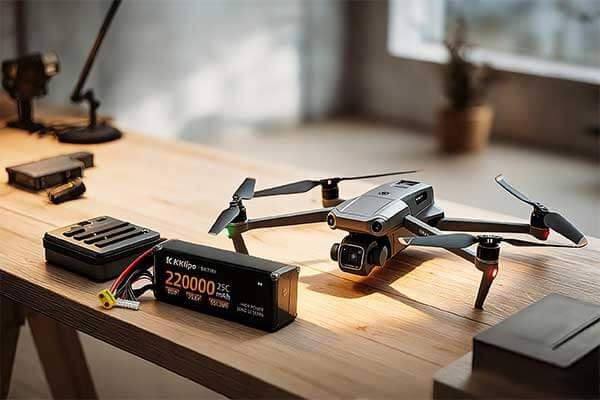
The term "cycle life" refers to how many times a battery can be fully charged and discharged before its capacity drops to a certain level, usually 80% of its original rating. This is the most direct measure of a battery's durability. The fundamental structure of a solid-state battery is simply more robust. A traditional lithium-ion battery has a liquid electrolyte, and the chemical process of charging and discharging causes physical wear and tear on the internal components. A solid-state battery's stable, solid structure minimizes this degradation.
| Battery Type | Typical Cycle Life | Impact on Drone Operations |
|---|---|---|
| Consumer Drone Li-Ion | 100 – 150 Cycles | Frequent, costly battery replacements. |
| Industrial Drone Li-Ion | 300 – 500 Cycles | A standard replacement part, budgeted for annually. |
| Solid-State Battery | 1,000 – 2,000+ Cycles | Battery lasts for years, becoming a long-term asset. |
For a procurement manager, this difference is huge. Instead of treating batteries as a consumable item that needs constant replacement, solid-state batteries become a long-term capital investment that lowers operational costs year after year.
Is Lifespan Just About Charge Cycles?
You might think a battery's life only depends on how often you use it. But batteries also degrade over time, even when sitting on a shelf, a process known as calendar aging.
No, lifespan is also about calendar life and resistance to degradation. Solid-state batteries have a slower rate of capacity decay, meaning they hold their charge better and last longer over many years, regardless of use.
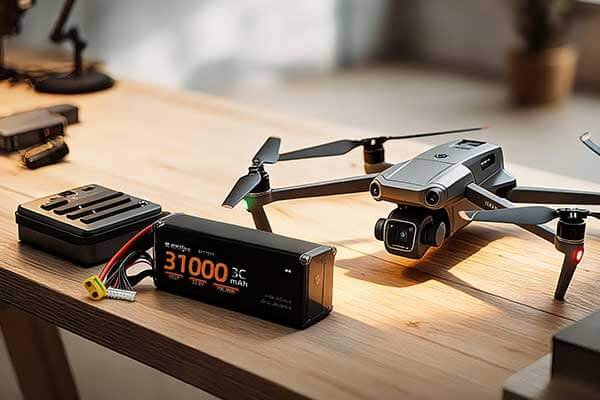
Beyond cycle life, there is another critical factor: capacity fade. This is the gradual loss of maximum energy capacity over time. The same chemical instability that limits a Li-ion battery's cycle life also causes it to lose capacity more quickly. Solid-state batteries, with their more stable chemistry, are far more resistant to this decay. A solid-state battery might lose only a tiny fraction of its capacity after a year in storage, while a Li-ion battery could lose a significant amount.
This means a solid-state battery has a much longer "calendar life" – the total time it remains viable. In normal conditions, you can expect a solid-state battery to last 5 to 10 years, whereas a heavily used Li-ion battery might need replacing in 1 to 2 years. This predictable, slow degradation is essential for professional applications where performance must be consistent over the long term.
How Does the Operating Environment Affect Lifespan?
Your drones operate in the real world, facing extreme heat and cold. These harsh conditions can kill a standard battery, drastically shortening its life and causing unexpected failures in the field.
Solid-state batteries are far more resilient to temperature extremes. This resilience means they degrade less in harsh environments, effectively extending their real-world lifespan and making them more reliable for global operations.
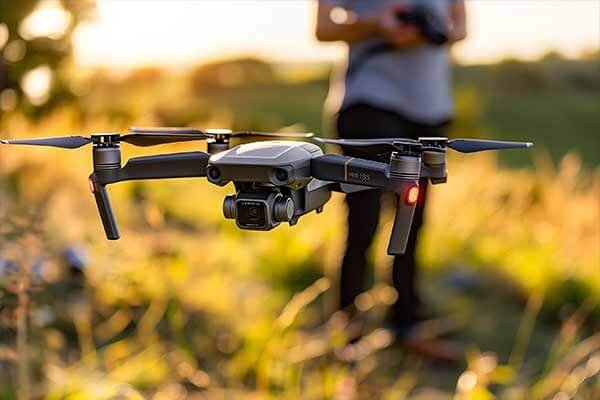
A battery's lifespan is not determined in a perfect lab; it's determined by the environment you operate in. High heat is a major enemy of traditional lithium-ion batteries. It accelerates the chemical reactions that cause degradation, permanently damaging the battery and shortening its life. Extreme cold can also cause damage and severely reduce performance.
Solid-state batteries have a much wider and more stable operating temperature range, often from -40°C to 100°C. This thermal stability is a key advantage. When we work with clients in the Middle East or Russia, this is a critical point. A solid-state battery operating in the desert heat will not degrade nearly as fast as a Li-ion battery. This means its real-world lifespan will be much closer to its rated cycle life. This resilience makes the entire drone platform more robust and reliable, no matter where the mission is.
Conclusion
Solid-state batteries offer a revolutionary increase in lifespan. They provide more charge cycles, slower degradation, and superior durability, making them a smarter, more cost-effective investment for professional drone operations.