

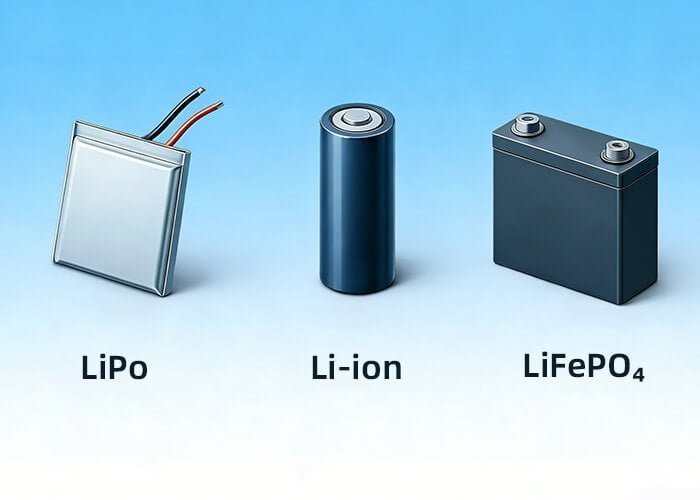
You're trying to source the right battery and are faced with a sea of acronyms: LiFePO4, Li-ion, Li-Po. Choosing the wrong one leads to an underperforming, overweight, or unsafe product.
There is no single "best" battery; the best choice depends entirely on your application's priorities. Choose LiFePO4 for safety and longevity, Li-ion (NMC) for balanced energy density, and Li-Po for flexible shape and light weight.
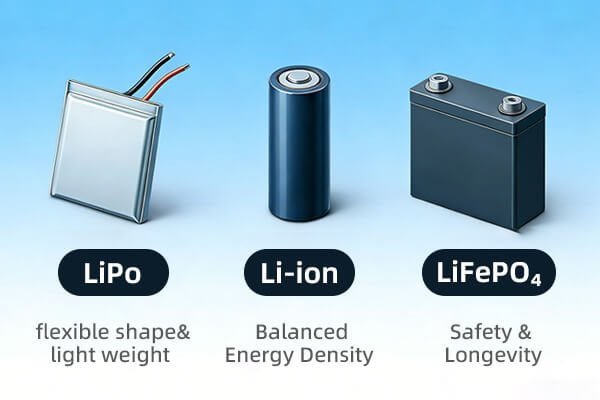
First, let's clear up a common confusion. "Li-ion" is the parent category for all these batteries. Both LiFePO4 and Li-Po are specific types of Li-ion batteries, distinguished by their chemistry and construction. Think of Li-ion as "cars," while LiFePO4 is a "dependable Volvo" and Li-Po is a "lightweight Lotus." They are both cars, but you wouldn't use them for the same purpose.
When Should You Choose LiFePO4 (LFP)?
Your project demands the highest level of safety and a very long service life. You can tolerate a little extra weight to guarantee reliability and avoid any risk of fire. You need a battery that will last for thousands of cycles.
Choose LiFePO4 (Lithium Iron Phosphate) when your top priorities are safety and cycle life. Its extremely stable chemistry makes it the safest option, and it can endure 3,000-5,000+ cycles, making it ideal for stationary energy storage and heavy-duty vehicles.
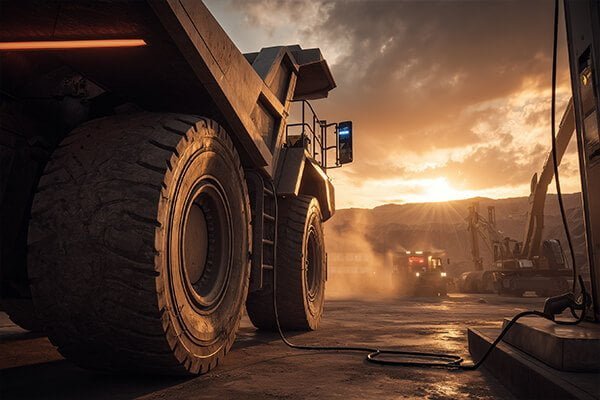
As a battery manufacturer, we see a massive shift towards LFP for any application where safety is non-negotiable. Its iron-phosphate cathode is structurally robust and does not break down at high temperatures, which virtually eliminates the risk of thermal runaway (fire). While it's heavier than other lithium chemistries for the same energy, its total cost of ownership is often lower due to its incredible lifespan.
Key Strengths of LiFePO4:
- Unmatched Safety: The most stable lithium chemistry available.
- Extreme Cycle Life: Can last 5-10 times longer than other types.
- Environmentally Friendlier: Does not use cobalt, a conflict mineral.
Best Applications:
- Home and Industrial Energy Storage Systems (ESS)
- Electric Buses, Forklifts, and Marine Applications
- RV and Off-Grid Power Solutions
When Should You Choose Li-ion (NMC/NCA)?
Your product, like a high-performance drone or an electric vehicle, needs the best possible balance of energy density, power output, and cost. You need a lot of energy in a reasonably small and light package.
Choose a conventional high-energy Li-ion battery (like NMC or NCA) when energy density is your main priority. These batteries offer a great all-around balance of power, weight, and cost, making them the standard choice for most modern electric vehicles and high-performance electronics.
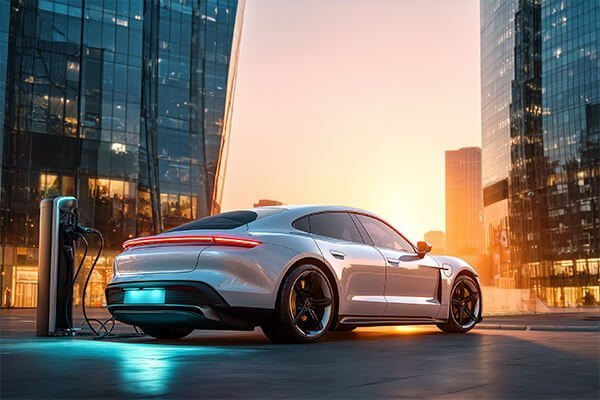
This is the workhorse of the EV revolution for a reason. Chemistries like Nickel Manganese Cobalt (NMC) pack more energy into each cell compared to LFP. This means longer range for an EV or longer flight time for a drone without adding excessive weight. However, this higher energy density comes with a trade-off: it requires a sophisticated Battery Management System (BMS) to manage temperature and prevent overcharging, as it is more susceptible to thermal runaway than LFP.
Key Strengths of Li-ion (NMC):
- High Energy Density: More energy in less space and weight.
- Mature Technology: A well-established and cost-effective supply chain.
- Good Power Output: Can deliver high currents for demanding tasks.
Best Applications:
- High-Performance Electric Vehicles (EVs)
- Industrial Drones and UAVs
- Laptops and Power Tools
When Should You Choose Li-Po?
Your product is ultra-thin, lightweight, or needs to fit into an unusual shape. A standard cylindrical or prismatic cell just won't work. You need maximum design flexibility and the lowest possible weight.
Choose a Li-Po (Lithium Polymer) battery when your design requires a flexible shape, ultra-thin profile, and minimum weight. Its soft pouch construction allows it to be customized for devices like drones, wearable tech, and smartphones.
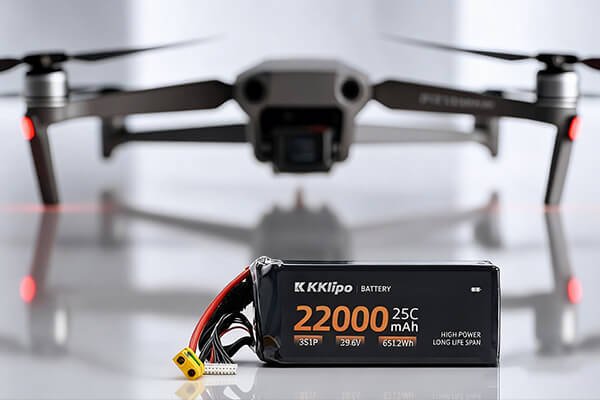
The key innovation of Li-Po is not its chemistry, but its packaging. Instead of a rigid metal can, Li-Po cells use a flexible, lightweight polymer pouch. This allows us, as a manufacturer, to create batteries in almost any shape and size our clients need. This design freedom is essential for compact devices. The downside is that this soft pouch is vulnerable to punctures or impacts, which can lead to a fire. They are the highest-performance option for weight-sensitive applications but require careful handling.
Key Strengths of Li-Po:
- Design Flexibility: Can be made in custom shapes and sizes.
- Lightweight: The pouch enclosure is lighter than a metal can.
- High Discharge Rates: Ideal for high-power bursts needed by racing drones.
Best Applications:
- FPV Racing Drones and RC Models
- Smartphones, Tablets, and Wearable Devices
- Slim, Custom-Shaped Medical Devices
Conclusion
Choose LiFePO4 for unmatched safety and longevity. Pick Li-ion (NMC) for the best balance of energy and weight. Select Li-Po when you need the lightest weight and a custom shape.