


You're a professional operator, and ensuring full compliance is part of your job. The US airspace is one of the most regulated in the world, and you need to understand the systems in place. The big question isn't about getting caught, but about understanding the framework.
Yes, in most operational scenarios, the FAA will have a way of knowing you are flying. This is primarily achieved through two mandatory systems: drone registration1, which links the aircraft to an owner, and Remote ID, which acts as a real-time digital license plate2 during flight.
As a battery manufacturer, we work with clients who operate globally. I've seen how critical it is for international operators, like you, Omar, to understand the technology behind compliance. It's not just about rules on paper; it's about the electronic systems that enforce them. These systems are designed for safety and accountability, and knowing how they work is key to professional operations in the U.S.
What is the 'digital license plate' for drones?
You hear about new regulations, but the technology behind them is what really matters. How can authorities on the ground tell a legally operated commercial drone from an unauthorized one in a matter of seconds?
The "digital license plate" is the FAA's Remote ID rule. It requires most drones to broadcast identification and location information during flight. This allows the FAA, law enforcement, and other aircraft to identify who is flying where, in real-time.
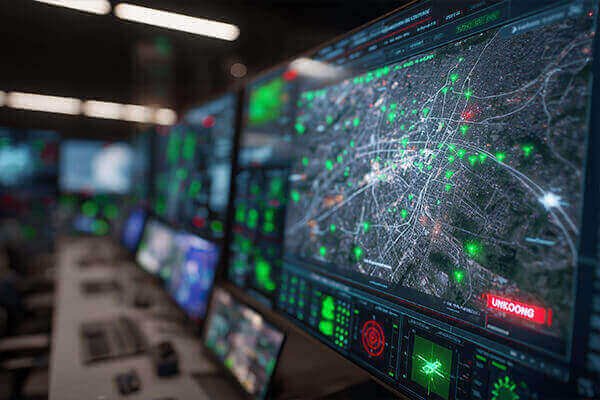
Think of it exactly like a license plate on a car. It provides immediate accountability and allows officials to differentiate between compliant professionals and careless operators. For any company planning to operate in or sell drones to the U.S. market, ensuring your fleet is Remote ID compliant is not optional; it's a fundamental requirement for legal flight. This system is the cornerstone of the FAA's strategy for safely integrating drones into the national airspace.
What Remote ID Broadcasts:
| Data Point | Description | Purpose |
|---|---|---|
| Drone Serial Number | A unique identifier for the specific drone. | Links the aircraft to its registration record. |
| Drone Position & Altitude | Real-time GPS coordinates and height above ground. | Situational awareness for air traffic control and other aircraft. |
| Control Station Position | The real-time GPS location of the pilot. | Allows authorities to locate the operator on the ground. |
| Time Stamp | A marker for when the data was transmitted. | Ensures the integrity and accuracy of the location data. |
Does registration mean they track every flight?
You've diligently registered your entire fleet of drones over 250 grams with the FAA. Does this mean every flight log is automatically uploaded and monitored by government agents? The idea of constant surveillance can be unsettling.
No, registration does not mean the FAA actively tracks every flight in real-time. Registration is an accountability database3 that links a drone to its owner. It's more like registering a car's title than having a live GPS tracker managed by the government.
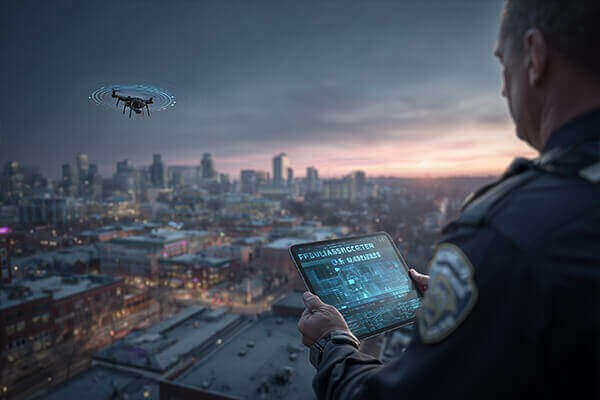
Registration is a foundational step. It ensures that if a drone is involved in an incident or is recovered after being lost, authorities can identify the owner. It creates a chain of responsibility. The active, real-time tracking component comes from the Remote ID broadcast, which is a separate requirement. So, while registration makes you known to the FAA, it is Remote ID that announces your presence during a flight. For professional fleet managers, this distinction is important—registration is about ownership accountability, while Remote ID is about operational transparency in the air.
How do they enforce no-fly zones?
You know that flying near airports, critical infrastructure, or major public events is strictly forbidden. But how are these invisible boundaries actually enforced? Is it just an honor system, or is there technology at play?
No-Fly Zones4 are enforced through a layered approach. First, geofencing software5 built into most commercial drones prevents them from taking off in or flying into restricted areas. Second, detection systems at sensitive sites can identify unauthorized drone signals and track them.
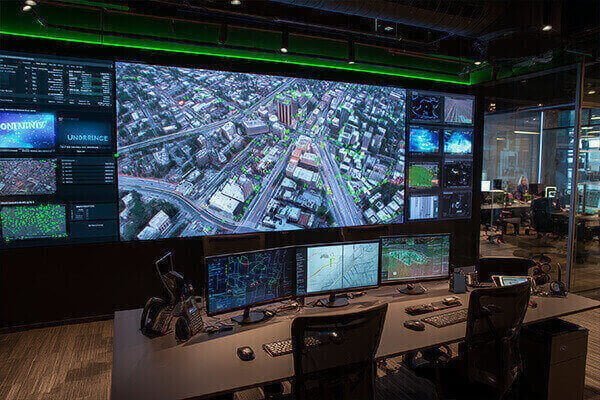
Geofencing is a proactive measure. As manufacturers, we and others in the industry build GPS-based maps of restricted airspace directly into the drone's flight control software. The drone simply will not operate in these zones. This is the first and most effective line of defense. For drones that bypass this or are not equipped with it, sensitive locations like airports use reactive technologies. These can include radio frequency (RF) scanners that detect drone control signals and radar systems. With Remote ID now mandatory, these detection systems can also instantly identify the broadcast information from an intruding drone, allowing authorities to respond quickly.
Conclusion
The FAA knows you're flying through a system of registration for accountability and Remote ID for real-time transparency. Complying with these rules isn't about avoiding detection; it's about being a professional, accountable participant in a shared and secure airspace.
Understanding drone registration is crucial for compliance and accountability in the airspace. ↩
Learn about the digital license plate concept and its significance in drone regulation. ↩
Understanding the accountability database is key for responsible drone ownership. ↩
Discover the technology and methods used to enforce No-Fly Zones effectively. ↩
Geofencing is vital for preventing unauthorized drone flights; find out how it works. ↩